- Home/
- Buy Seroquel in Online Pharmacy in the United Kingdom
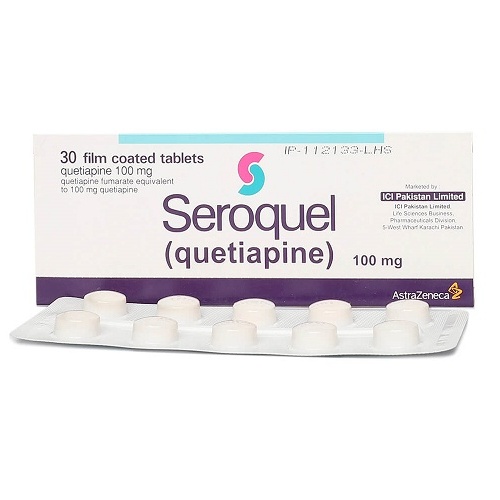
| Product name | Seroquel |
|---|---|
| Key compound | Quetiapine |
| Main uses | Treatment of mental health disorders (schizophrenia, bipolar disorder, adjunct in depression) |
| Strengths available | 25 mg, 50 mg, 100 mg, 150 mg, 200 mg, 300 mg, 400 mg tablets (immediate and extended-release) |
| How quickly it starts working | Initial symptom relief often within several days; full effect typically over 2–4 weeks |
| How long each dose lasts | Up to 12 hours (immediate-release); 24 hours (extended-release) |
| How to take it | Usually once or twice daily; with or without food (formulation-dependent) |
| Prescription status in the UK | Prescription-only (regulated by MHRA) |
Seroquel: Choosing, Using, and Buying in the United Kingdom
Seroquel, containing the active ingredient quetiapine, is an antipsychotic medication prescribed to manage a range of mental health conditions. It is authorised for use in the United Kingdom and available only with a valid prescription, under the supervision of a healthcare professional. Seroquel is produced by several pharmaceutical companies and comes in multiple strengths and formulations to suit different needs.
Understanding Your Situation: Mental Health Conditions and Their Scale
Mental health conditions, such as schizophrenia, bipolar disorder, and depression, affect people across all walks of life in the United Kingdom. According to the NHS Digital’s Adult Psychiatric Morbidity Survey (2014), approximately 1 in 6 adults experience a common mental disorder in any given week, and bipolar disorder alone impacts around 1-2% of the population. Schizophrenia is less common, but the Royal College of Psychiatrists notes its prevalence at about 1 in 100 people. These conditions are not rare, nor are they a reflection of personal failing; they are medical issues that respond to the right treatment plans. With the support of professionals and appropriate therapy, meaningful management and improvement are possible.
How Seroquel Works: From Molecule to Mind
Seroquel (quetiapine) works by targeting specific chemical messengers in the brain—particularly dopamine and serotonin. These neurotransmitters are involved in regulating mood, perception, and thought processes. In conditions like schizophrenia or bipolar disorder, the balance of these chemicals can be disrupted, leading to symptoms such as hallucinations, delusions, severe mood swings, or depressive episodes.
- Dopamine regulation: Seroquel blocks dopamine D2 receptors, dampening overactivity that underlies psychotic symptoms. As a result, hallucinations and disorganised thinking may lessen, typically within days to weeks.
- Serotonin modulation: By affecting serotonin 5HT2A receptors, Seroquel helps improve mood and reduce agitation or anxiety, supporting stability in bipolar disorder or depression.
- Practical effect: Most people notice sleep improvement, reduced agitation, and gradual mood stabilisation. However, full impact on severe symptoms may take several weeks of regular use.
This dual mechanism helps Seroquel address both the acute symptoms (like hallucinations or mania) and the underlying mood instability common to many mental health disorders. The result is a broader spectrum of relief than older antipsychotics, which typically targeted only dopamine pathways.
Is Seroquel the Right Choice for You? Scenarios to Guide Selection
| Situation | Best Option | Why |
|---|---|---|
| Diagnosed with schizophrenia or experiencing persistent psychotic symptoms | Seroquel (quetiapine) | Effective at reducing hallucinations, delusions, and agitation; well-tolerated by many patients |
| Bipolar disorder with both manic and depressive episodes | Seroquel, sometimes combined with mood stabilisers | Addresses both mood extremes and can be used during acute episodes or as maintenance |
| Major depressive disorder not responding to first-line antidepressants | Seroquel as add-on (adjunct therapy) | Improves mood and sleep in resistant cases, often in low doses under psychiatric supervision |
| Significant daytime drowsiness or need for high vigilance (e.g. professional drivers) | Alternative antipsychotic or different treatment | Seroquel may cause sedation; discuss with your doctor if alertness is critical for safety |
| History of severe metabolic issues (obesity, uncontrolled diabetes) | Alternative with lower metabolic risk | Seroquel can elevate blood sugar and cholesterol; may not be optimal if metabolic control is already a concern |
These are not absolute rules; personal medical history, existing medications, and individual response all affect what is most appropriate. For some, Seroquel is the first-line option, for others, a different approach will provide better long-term outcomes. It is essential to have an open discussion with your consultant psychiatrist or GP before making a decision.
Practical Use: What to Expect Day-to-Day
- Dosing approach: Your clinician will typically start on a low dose and gradually adjust upward to reduce side effects and find the minimum effective amount.
- Taking Seroquel: Swallow tablets whole with water, at the same times each day. Extended-release (XL) forms are usually taken once daily, while immediate-release may be twice daily. Consistency helps maintain stable blood levels.
- With food? Seroquel immediate-release can be taken with or without food; XL forms are best taken without food or with a light meal for optimal absorption.
- Missed dose: Take your missed tablet as soon as you remember, unless your next dose is due soon—then skip the missed one. Do not double up. If you miss several doses, contact your prescriber for advice before restarting.
- If symptoms do not improve: It may take up to 4 weeks to see the full benefit. If there’s no change after this period, or symptoms worsen, a reassessment is necessary—speak with your healthcare provider.
- Normal adjustment period: Mild drowsiness, dry mouth, or dizziness may occur at the start and often resolve within days to weeks.
- What requires attention: Sudden fever, confusion, muscle stiffness, or severe rash are not typical—seek urgent medical review if these occur.
Who Should Not Take Seroquel: Understanding Contraindications
Seroquel is not suitable for everyone. It is contraindicated in certain scenarios because the risks outweigh potential benefits. The logic behind each restriction is important to understand:
- Allergy to quetiapine or any ingredient: Risk of severe reaction; an alternative must be chosen.
- Severe liver impairment: The body cannot process Seroquel efficiently, increasing toxicity risk.
- Combination with certain medications (e.g. strong CYP3A4 inhibitors like ketoconazole): These can raise quetiapine blood levels dangerously high.
- History of neuroleptic malignant syndrome (NMS): Previous episodes suggest heightened vulnerability to this rare but serious side effect.
- Children and adolescents: Seroquel is not generally recommended for individuals under 18 years for most indications due to limited safety data.
In specific cases, such as pregnancy, breastfeeding, or elderly patients with dementia-related psychosis, use is only considered if the benefit clearly outweighs the risk, and then under close supervision.
Potential Side Effects: What to Watch For
Most people tolerate Seroquel well, but side effects do occur. Some are common and mild, others are rare but require prompt attention. Understanding the difference is key:
- Frequently reported: Drowsiness, dry mouth, dizziness, constipation, mild weight gain. These usually ease with time.
- Sometimes observed: Increased appetite, low blood pressure when standing, mild increases in blood sugar or cholesterol.
- Rare but important: Muscle stiffness, fever, confusion (signs of neuroleptic malignant syndrome); severe allergic reaction (swelling, difficulty breathing); irregular heartbeat.
If you or someone you support experiences severe drowsiness, sudden confusion, a rash with swelling, or trouble breathing, call NHS 111 or 999 (emergency) immediately. Rapid medical intervention is essential in these situations to prevent serious complications.
doctor’s note: “While most side effects of Seroquel are mild and short-lived, a small number of people encounter complications that need urgent help. Always err on the side of caution—better to make the call and be safe.”
Interactions: Medicines, Food, and Alcohol
Some medications and substances can interact with Seroquel in ways that increase risk or reduce effectiveness. Interactions matter because they may amplify side effects, diminish benefits, or, rarely, cause dangerous events:
- Other medicines that affect brain chemicals: Combining with other antipsychotics, antidepressants, or mood stabilisers should only be under specialist guidance to avoid over-sedation or serotonin syndrome.
- Drugs that alter quetiapine metabolism: Strong inhibitors (e.g. ketoconazole, erythromycin) can raise Seroquel levels; inducers (e.g. carbamazepine, phenytoin) can lower them, requiring dose modification.
- Alcohol: Increases sedation and impairs judgement—it’s safest to avoid alcohol while taking Seroquel.
- Grapefruit juice: Can affect Seroquel breakdown and is best avoided.
Always inform your prescribing clinician about all medicines and supplements you take, including over-the-counter, herbal, or recreational substances, to ensure safe treatment planning.
Comparing Seroquel to Alternatives: When Is It the Best Option?
| Medication | Main Advantage | Main Drawback | When Preferred |
|---|---|---|---|
| Seroquel (quetiapine) | Effective for a wide range of symptoms; less risk of movement disorders; also useful in mood disorders | Can cause drowsiness and weight gain; metabolic monitoring required | If sedation helps (e.g. agitation, insomnia) or mixed mood symptoms |
| Olanzapine | Strong efficacy for psychosis and acute mania | Higher risk of significant weight gain and diabetes | Used when rapid control of mania is critical and metabolic risk is acceptable |
| Aripiprazole | Lower risk of sedation, minimal metabolic side effects | Possible restlessness or insomnia | For patients with prior metabolic complications or need to avoid drowsiness |
| Risperidone | Effective in both schizophrenia and bipolar disorder | Risk of movement side effects, especially at higher doses | When cost is a key factor and movement disorders are not a concern |
No single antipsychotic suits everyone. Seroquel is often favoured for its calming properties and broad range, but if you require minimal sedation, or have a high risk of metabolic diseases, alternatives may be more appropriate. The best medication is always the one that matches your health profile, daily needs, and long-term treatment goals.
What You Will Actually Pay: Costs and Access in the UK
| Item | Approximate Cost (GBP) | Details |
|---|---|---|
| GP or psychiatric assessment | £0 (NHS) / £80–£250 (private) | NHS appointments are free; private sector cost varies by location and provider |
| Prescription fee | £9.65 per item (standard NHS charge) | NHS England current prescription charge (some exemptions apply) |
| Seroquel (quetiapine) tablets | £3–£22 per 28 tablets (generic, strength-dependent) | Varies by dose and pharmacy; branded products may be higher |
| Online pharmacy delivery | £0–£5 | Standard or express options; some services offer free delivery |
| Total | £12.65–£286.65 | From minimum NHS scenario to initial private consultation and 1 month’s supply |
In the UK, Seroquel is only legally dispensed with a prescription. Most people obtain it through the NHS, where costs are minimal except for the standard prescription charge. Private services are available for faster access, especially when NHS waiting times are long, but may involve higher consultation and prescription costs. Online pharmacies operating in the UK must be registered with the General Pharmaceutical Council, and you should verify their legitimacy before placing an order.
Final Considerations: Addressing Remaining Questions
One frequent concern is about stopping Seroquel: discontinuing suddenly can cause withdrawal symptoms or rapid return of mood or psychotic symptoms. If you need or wish to stop, always do so gradually under medical supervision—the dose will be reduced stepwise.
Another common worry is about long-term effects. With regular monitoring (blood sugar, cholesterol, weight, and heart rhythm), most risks can be caught early and managed. Annual check-ups are a standard part of ongoing treatment in the UK.
Should you have difficulties accessing a prescriber, most NHS Trusts offer mental health crisis lines, and your local GP is an excellent starting point for initial assessment. In an emergency, for example severe confusion, collapse, or suspected overdose, the correct contact is 999 for immediate help.
Where this information comes from
- NHS Digital, Adult Psychiatric Morbidity Survey 2014
- Royal College of Psychiatrists
- NICE
- Medicines and Healthcare products Regulatory Agency (MHRA)