- Home/
- Buy Antabuse at Low Price in the United Kingdom
Can Antabuse Be Obtained Without a Prescription in the United Kingdom?
Antabuse (disulfiram) is a prescription-only medicine in the United Kingdom. It cannot be legally obtained or dispensed without a valid prescription from a qualified healthcare professional.
Key Takeaways
- Antabuse is intended for people with alcohol dependence who are motivated to remain abstinent.
- A prescription from a UK-registered doctor is required; the medicine is not available over the counter or for self-selection.
- Most patients experience the medication’s effects within a day, but full benefit depends on avoiding alcohol and engaging with comprehensive support.
- Taking Antabuse while consuming alcohol can cause severe reactions, which may be dangerous.
- The medication is typically used alongside counselling or psychological support for best results.
- Consult a specialist in addiction medicine or a local NHS alcohol service for eligibility, suitability, and monitoring.
How Does Antabuse (Disulfiram) Work in the Body?
Antabuse (disulfiram) is an established medication for the management of alcohol dependence. Its mechanism of action is biochemical: disulfiram blocks the enzyme aldehyde dehydrogenase in the liver. When a person drinks alcohol, ethanol is first metabolised to acetaldehyde using alcohol dehydrogenase. Normally, acetaldehyde is rapidly broken down to harmless acetic acid by aldehyde dehydrogenase. Disulfiram inhibits this step, causing acetaldehyde to accumulate rapidly if alcohol is consumed.
This build-up leads to a constellation of highly unpleasant symptoms known as the “disulfiram-ethanol reaction” (DER): facial flushing, severe headache, palpitations, nausea, vomiting, sweating, breathlessness, anxiety, and in severe cases, hypotension or even cardiovascular collapse. The anticipation of these effects acts as a deterrent—helping motivated individuals remain abstinent.
Simplified metaphor: Imagine Antabuse as installing a “booby trap” in the body’s alcohol breakdown process—if alcohol is encountered, the trap is sprung and the resulting effects are so unpleasant that most individuals learn quickly to avoid drinking.
Important: Antabuse does not reduce cravings for alcohol or treat withdrawal symptoms. Its effect is purely based on the deterrent principle.
The medication requires that the individual remain free from alcohol for at least 24 hours before starting, and its deterrent effect can persist for up to 2 weeks after stopping.
References: NHS: Disulfiram, UK EMC: Antabuse SPC, PubMed (2018)
Expert Perspective: Why “Feeling Nothing” Is Not a Failure of Treatment
Many patients expect to “feel” something after starting Antabuse, and are sometimes disappointed or even sceptical when they experience no immediate effects. It is essential to realise that this medication does not actively make you feel better or stop you craving alcohol; its effect is only triggered if alcohol is consumed. I often see individuals misjudge Antabuse as “not working” simply because they have managed to stay abstinent—which is, in fact, the intended outcome. Another challenge is the misconception that Antabuse offers a complete solution to dependence by itself, when in reality ongoing support and therapy are critically important for long-term success. Patients rarely ask how they might accidentally encounter alcohol in foods or products, but these are questions they should ask to avoid unintended reactions. — Dr. K. Patel, Consultant in Addiction Psychiatry
What Is the Usual Dosage and How Should Antabuse Be Taken?
Antabuse is only to be taken after at least 24 hours alcohol-free. Standard practice in the UK is to initiate treatment under medical supervision, ideally in a clinic or with frequent follow-up.
- Starting dose: 200–500 mg once daily for 1–2 weeks, depending on response and tolerability.
- Maintenance dose: Usually 100–200 mg once daily, taken in the morning. Some patients may require split dosing if drowsiness or side effects occur.
- Route: Oral tablets, swallowed whole with water; do not crush or split unless advised by your pharmacist, as some preparations are not designed for splitting.
- Maximum daily dose: 500 mg (must not be exceeded due to risk of toxicity).
- For older adults or those with mild liver/kidney impairment: Lower starting and maintenance doses (e.g., 100 mg/day) are typically advised; close monitoring is required.
- Duration of effect: Deterrent effect may last up to 2 weeks after stopping the medication.
Peak effect: Within 12–24 hours of the first dose; lasts for the duration of therapy and up to 14 days after cessation.
References: NICE Guidelines – Alcohol-use Disorders
Does Food, Drink, or Lifestyle Affect How Antabuse Works?
Antabuse can be taken with or without food. There is no significant effect of fatty meals on absorption, but taking it after food may help reduce stomach upset in sensitive individuals.
- Alcohol: Any amount, even small, is strictly prohibited. This includes alcoholic beverages, “alcohol-free” drinks containing trace alcohol, and foods with added alcohol (e.g., sauces, desserts).
- Hidden sources: Non-beverage alcohol—mouthwashes, cough syrups, aftershaves, deodorants, and cleaning products—can also trigger a reaction; check labels carefully.
- Grapefruit juice: No clinically significant interaction is noted with grapefruit juice or citrus fruits.
Lifestyle note: Patients are encouraged to avoid situations where exposure to alcohol may occur, and to inform family and friends to support their effort to abstain.
Compatibility Check Table
| Product Type | Can It Be Combined? | Consequences |
|---|---|---|
| Alcohol (any form) | STRICTLY NO | Severe and potentially life-threatening reaction |
| Paracetamol | Yes, with caution | No major interaction, but monitor liver function |
| Metronidazole | STRICTLY NO | Risk of psychosis or confusion |
| Warfarin | Use with caution | Increased anticoagulant effect—monitor INR |
| Caffeine | Yes | No significant interaction |
| Grapefruit juice | Yes | No known interaction |
Who Should Not Take Antabuse? (Absolute and Relative Contraindications)
Absolute contraindications (must never be used):
- Current intoxication with alcohol or recent ingestion (within last 24 hours)
- Severe cardiac disease (e.g., coronary artery disease, recent myocardial infarction, heart failure)
- Severe liver impairment or cirrhosis
- History of psychosis or severe psychiatric disturbance
- Hypersensitivity to disulfiram or any tablet component
- Pregnancy or breastfeeding (safety not established)
- Coadministration with metronidazole (risk of acute confusion or psychosis)
Relative contraindications (use with caution and close supervision):
- Mild-moderate hepatic or renal impairment
- History of depression (increased risk of mood disturbance)
- Individuals with a history of suicide attempts or ideation
- Elderly patients (greater risk of adverse effects)
- Patients taking medications that interact with disulfiram (e.g., some antiepileptics, anticoagulants)
Why? The build-up of acetaldehyde when consuming alcohol can be dangerous for those with heart disease, and disulfiram itself can rarely cause hepatitis or psychiatric symptoms. Interactions with other drugs (notably metronidazole and some anticoagulants) may lead to severe toxicity.
What Side Effects Are Most Common With Antabuse?
Side effects with Antabuse vary by individual. Most are mild and transient, but some can be serious or require urgent medical attention.
- Very common (>1/10): Drowsiness, tiredness, metallic or garlic-like taste, skin rash
- Common (1/100 to 1/10): Headache, acne or rashes, impotence, mild liver enzyme elevation, peripheral neuropathy (tingling or numbness)
- Uncommon (1/1,000 to 1/100): Psychosis, confusion, hepatitis, optic neuritis
- Rare (<1/1,000): Severe hepatotoxicity, hypersensitivity reactions, severe cardiovascular events, convulsions
Mechanism: Many side effects are due to direct action on the nervous system or liver. Skin reactions are usually mild but should be reported.
What to do: Mild symptoms like drowsiness or metallic taste often resolve. Seek urgent medical attention if you develop jaundice (yellowing of skin/eyes), confusion, severe mood changes, or allergic reactions. In case of suspected overdose or severe reaction, call 999 or go to the nearest A&E department.
References: EMA: Antabuse
Antabuse: Common Patient Pitfalls and How to Avoid Them
- Resuming alcohol too soon after stopping Antabuse: Some believe the deterrent effect disappears immediately. In reality, sensitivity can persist for up to 2 weeks. Wait at least 14 days after stopping before consuming alcohol, or as advised by your doctor.
- Accidental exposure to alcohol in everyday products: Mouthwash, perfume, and over-the-counter syrups often contain ethanol. Always check product labels and ask a pharmacist if unsure.
- Missing doses and then taking a higher dose to “catch up”: This increases side effect risk and does not improve efficacy. If you miss a dose, take it as soon as you remember unless it is nearly time for your next dose.
- Not informing healthcare providers about Antabuse use: Some medications interact dangerously. Always inform your GP, dentist, or hospital staff you are taking disulfiram.
- Stopping medication without a doctor’s input: Abrupt cessation can increase relapse risk. Always discuss your plan with your treatment team before making changes.
- Assuming Antabuse is a stand-alone solution: It should be part of a broader treatment plan, including counselling and support groups.
How Does Antabuse Compare with Other Medicines for Alcohol Dependence?
| Medicine | Mechanism | Usual Onset | Major Side Effects | Approximate Monthly Cost* | Prescription Needed? |
|---|---|---|---|---|---|
| Antabuse (disulfiram) | Aldehyde dehydrogenase inhibitor (deterrent) | 12–24 hours | Drowsiness, rash, hepatotoxicity, psychosis (rare) | £13–£20 | Yes |
| Acamprosate (Campral) | NMDA/glutamate modulator (reduces craving) | Within days | Diarrhoea, rash, GI upset | £30–£45 | Yes |
| Naltrexone | Opioid receptor antagonist (reduces reward from alcohol) | Within hours | Nausea, headache, sleep disturbance | £35–£60 | Yes |
*Indicative NHS Drug Tariff prices as of 2026; prices may vary by region and supplier.
- Antabuse is best for individuals with strong motivation to avoid alcohol and can tolerate the deterrent approach.
- Acamprosate is preferred when craving reduction is needed and liver function is poor.
- Naltrexone helps reduce heavy drinking, but must not be used in those dependent on opioids.
Technical Reference Table: Antabuse Product Characteristics
| Active Ingredient | Disulfiram (various UK generic and branded forms) |
| Strengths Available | 200 mg, 400 mg tablets (tablet strength varies by brand) |
| Formulation | Oral tablet |
| Storage | Below 25°C; keep in original packaging, away from moisture |
| Half-Life (T1/2) | ~60–120 hours (active metabolites) |
| Metabolism | Liver (extensively metabolised) |
| Elimination | Urine (as metabolites) |
| Peak Plasma Concentration | Within 8–12 hours post-dose |
| Prescription Only? | Yes (POM in UK) |
Step-by-Step: How to Access Antabuse Treatment in the United Kingdom
- Initial Consultation: Schedule an appointment with your GP or contact your local NHS alcohol service (available in all UK cities, including London, Manchester, Birmingham, Glasgow, and Cardiff).
- Assessment: Undergo a full medical assessment, including discussion of your alcohol use, physical health, and mental health. Blood tests for liver function may be required.
- Treatment Planning: If considered suitable, your doctor will discuss risks, benefits, and the need for abstinence before and during treatment.
- Prescription Issued: If eligible, a prescription for Antabuse is provided. In some cases, supervised administration is recommended, particularly in the initial stages.
- Dispensing: Take your prescription to a registered pharmacy. NHS and most private pharmacies in the UK can supply Antabuse, subject to availability.
- Follow-up: Regular follow-up appointments are arranged to monitor progress, side effects, and support your recovery. Some regions offer telemedicine or online video consultations for follow-up.
Doctor Answers: Questions Patients Often Ask About Antabuse Therapy
- How do I know if Antabuse is right for me?
- This decision is made after a thorough assessment of your medical history, alcohol consumption pattern, and motivation to abstain. It’s usually recommended if you have struggled to remain abstinent using other methods and are determined to avoid alcohol completely.
- How soon after stopping alcohol can I start taking Antabuse?
- You must be completely free of alcohol for at least 24 hours before starting. In some cases, longer abstinence may be recommended, especially if withdrawal symptoms have occurred.
- Will Antabuse stop me craving alcohol?
- No, Antabuse does not directly reduce cravings. Its purpose is to make drinking so unpleasant that you’re deterred from relapsing. For craving reduction, other medications such as acamprosate may be recommended.
- What should I do if I accidentally drink alcohol while on Antabuse?
- Stop drinking immediately and seek medical attention, especially if you experience symptoms such as flushing, nausea, chest pain, or breathlessness. The reaction can be dangerous.
- Can I travel abroad while using Antabuse?
- Yes, but ensure you have enough medication and documentation (such as a copy of your prescription) for customs. Be cautious of foods and products that may contain alcohol in other countries.
- How is my progress monitored?
- Your doctor will arrange regular check-ins, blood tests (for liver function), and discuss your experience. Support from alcohol services or counsellors is also advised for best outcomes.
- What happens if I feel side effects?
- Mild effects (drowsiness, metallic taste) often settle; severe or persistent symptoms should be reported promptly so your doctor can assess if treatment should continue.
Pharmacokinetics: How Is Antabuse Processed and Eliminated?
After oral administration, disulfiram is rapidly absorbed, with peak plasma levels reached within 8–12 hours. It is extensively metabolised in the liver to diethyldithiocarbamate and subsequent metabolites, which are then eliminated primarily in the urine. The elimination half-life is long—ranging from 60 to 120 hours—meaning its deterrent effect can persist for up to 2 weeks after stopping. This prolonged activity underpins the need for strict avoidance of alcohol not only during treatment but also for a fortnight after discontinuation.
Reference: PubMed (2017)
Special Patient Groups: What Should You Know?
Liver Disease: Use is contraindicated in severe liver impairment, and should be very carefully considered in mild to moderate cases. Regular liver function monitoring is mandatory.
Renal Impairment: Mild to moderate impairment may require lower doses; severe impairment is a contraindication.
Older Adults: May be more sensitive to central nervous system side effects and at higher risk of liver toxicity.
Mental Health Disorders: Those with a history of psychosis or severe depression are generally not suitable candidates.
Women of Childbearing Age: Not recommended during pregnancy or breastfeeding, as safety has not been established. Discuss family planning with your doctor before starting therapy.
Operating Machinery or Driving: Drowsiness and slowed reaction time are possible—caution is advised, particularly at the start of therapy. UK law requires you to inform the DVLA if treatment affects your fitness to drive.
Myth vs Reality: What Should Patients Really Expect?
- Myth: Antabuse will remove the urge to drink.
Reality: The medication does not affect cravings; it only acts as a deterrent, so continued support is needed. - Myth: You can safely drink small amounts of alcohol while on Antabuse.
Reality: Even very small amounts can cause a serious reaction and should be completely avoided. - Myth: Once you stop Antabuse, it’s safe to resume drinking immediately.
Reality: The deterrent effect persists for up to 2 weeks—wait at least 14 days after stopping before considering alcohol.
How to Identify a Legitimate Online Pharmacy in the United Kingdom
Only pharmacies registered with the General Pharmaceutical Council (GPhC) or the Medicines and Healthcare products Regulatory Agency (MHRA) are authorised to supply prescription medicines, including Antabuse, online.
- Look for the GPhC or MHRA “distance selling logo” on the pharmacy website; clicking it should link to the official register.
- Check that the pharmacy provides a physical UK address and a telephone contact number.
- Be wary of sites offering prescription medicines without a doctor’s consultation, or at unusually low prices—these may be supplying unlicensed or counterfeit products.
- Pharmacies should require a valid prescription and must not supply Antabuse without medical assessment.
- Reporting concerns: Suspected illegal or counterfeit online sellers can be reported directly to the MHRA.
How Can I Tell If My Antabuse Is Genuine or a Counterfeit?
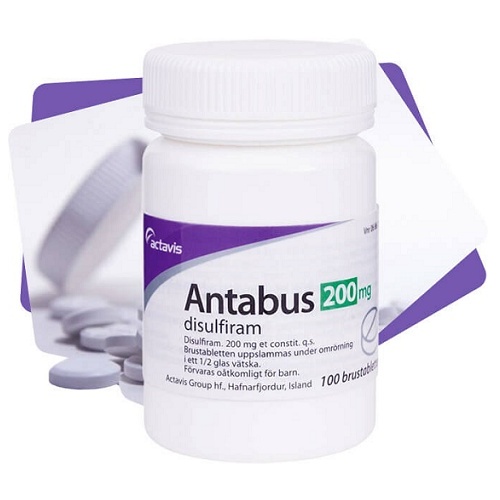
Original Antabuse (and licensed UK generics) should be supplied in sealed, tamper-evident blisters or bottles with clear batch numbers, expiry dates, and the manufacturer’s details.
- UK packs are labelled in English and display the PL (Product Licence) number.
- Tablets are usually white or off-white, round, and may have score-lines or embossed codes (varies by brand).
- Some manufacturers use QR codes or holograms for extra security. Pharmacists can verify authenticity.
- Warning signs: Misspelt packaging, missing batch codes, foreign language labels, and unusually low prices suggest counterfeiting.
Generics: In the UK, several generic forms of disulfiram are authorised. All must meet MHRA standards for quality and safety, with the same active ingredient, dose, and efficacy as the original product. Excipients (inactive ingredients) may differ and could rarely cause allergic reactions, so check with a pharmacist if you have a history of allergies.
Bottom line: Buying from a registered UK pharmacy is the best way to avoid counterfeits.
What to Do in Case of Antabuse Overdose?
- Stop taking Antabuse immediately.
- Call 999 or go to the nearest Emergency Department.
- If possible, provide the medical team with the medicine packaging and information on how much was ingested, and when.
- Do not try to make yourself vomit unless advised by medical staff.
- Bring a list of all other medicines you use and information on any recent alcohol consumption.
Symptoms of overdose may include extreme drowsiness, confusion, psychosis, nausea, vomiting, liver dysfunction, seizures, or cardiovascular collapse.
Urgent intervention can be life-saving.
Quality Check: What Should Genuine Antabuse Look Like?
- Tablets: White or off-white, round, marked with the strength and a line for splitting (if scored). Some generics may differ in size/markings.
- Packaging: UK-licensed products in sealed blisters or bottles, with the product name, batch number, expiry date, and manufacturer’s details printed clearly.
- Security features: Some brands include holograms, QR codes, or watermarks.
- Patient leaflet: Always included in English, with dosage and safety information specific to the UK.
Tip: If your product looks significantly different from previous supplies, contact your pharmacy or the MHRA for verification.
Psychological Support: You’re Not Alone
Alcohol dependence is common and treatable. Many people find benefit in discussing their progress with family, friends, or support groups. Psychological and social support are an integral part of effective long-term recovery. If you feel isolated or unsure, your GP or local alcohol service can help you access counselling or peer support.
doctor’s Clinical Viewpoint: Who Will Benefit Most from Antabuse—and When to Consider Alternatives
In my clinical practice, Antabuse is most effective for individuals who are strongly motivated to abstain from alcohol and have a reliable support system to help maintain adherence. It can be especially valuable for those who have tried and been unsuccessful with other strategies, and who understand the deterrent mechanism. However, patients with a history of significant liver disease, severe cardiac problems, or psychiatric disorders are generally not suitable candidates. In such cases, acamprosate or naltrexone may be preferable. I also consider the likelihood of accidental alcohol exposure—if someone lives or works in an environment where accidental ingestion is likely, Antabuse may pose unnecessary risks. Ultimately, shared decision-making, regular review, and patient education are essential to safe and effective use of this medication. Reassessment is warranted if side effects emerge or if adherence drops, as the balance of risks and benefits can change over time.
Frequently Asked Questions About Antabuse in the United Kingdom
- Is Antabuse effective at stopping alcohol use?
- Antabuse is clinically proven to deter alcohol use by causing severe adverse effects if alcohol is consumed. Its effectiveness relies on your motivation to remain abstinent and engagement with support services.
- Do I need a prescription for Antabuse in the UK?
- Yes, Antabuse is a prescription-only medicine. It cannot be obtained legally without assessment and a prescription from a qualified healthcare professional.
- How quickly does Antabuse start working?
- Antabuse’s deterrent effect begins within 12–24 hours after the first dose and can last for up to two weeks after stopping the medication.
- Can I drink alcohol while taking Antabuse?
- Absolutely not. Drinking alcohol with Antabuse can cause a severe and potentially life-threatening reaction. Even small amounts must be avoided.
- What are the main side effects to watch for?
- Common side effects include drowsiness, skin rash, and a metallic taste. Rare but serious side effects include hepatitis, psychosis, and severe allergic reactions. Seek medical help for jaundice, confusion, or severe rash.
- How long will I need to take Antabuse?
- The duration varies by patient. It may be prescribed for several months or longer, with regular medical review. Some take it intermittently as part of relapse prevention.
- Is Antabuse covered by the NHS?
- Yes, Antabuse is available on NHS prescription, subject to suitability. Some private clinics also offer it, but NHS provision is the standard route.
- How much does Antabuse cost in the UK?
- The NHS prescription charge applies in England (currently £9.65 per item as of 2026). Market price for a month’s supply is typically between £13 and £20. Prices may differ in Scotland, Wales, and Northern Ireland due to local NHS policies.
- Can I buy Antabuse online?
- You can use a registered UK online pharmacy, but you must provide a valid prescription. Never purchase from unverified websites as they may supply counterfeit or unsafe products.
- What should I do if Antabuse doesn’t help me stop drinking?
- If you continue to struggle, speak to your doctor or alcohol service as soon as possible. Alternative medications or additional psychological support may be more suitable for you.
References
- NHS. Disulfiram for alcohol dependence. Accessed 2026. https://www.nhs.uk/medicines/disulfiram/
- Medicines and Healthcare products Regulatory Agency (MHRA). Accessed 2026. https://www.gov.uk/government/organisations/medicines-and-healthcare-products-regulatory-agency
- Electronic Medicines Compendium (EMC). SPC for Antabuse. Accessed 2026. https://www.medicines.org.uk/emc/product/6193/smpc
- NICE. Alcohol-use Disorders: Diagnosis, Assessment and Management of Harmful Drinking. CG115. Accessed 2026. https://www.nice.org.uk/guidance/cg115
- European Medicines Agency (EMA): Antabuse. Accessed 2026. https://www.ema.europa.eu/en/medicines/human/EPAR/antabuse
- PubMed. Safety and efficacy of disulfiram: meta-analysis and pharmacology. Accessed 2026. https://pubmed.ncbi.nlm.nih.gov/29961881/
- General Pharmaceutical Council (GPhC). Accessed 2026. https://www.pharmacyregulation.org
- Alcohol Change UK: Find Help & Support. Accessed 2026. https://alcoholchange.org.uk/help-and-support/get-help-now/find-nhs-alcohol-treatment-services