- Home/
- Buy Nolvadex at Low Price in the United Kingdom Online
This article is for informational purposes only. Medication use is only possible after consultation with a doctor. Self-medication is dangerous to life.
Table of Contents
- Is Nolvadex (Tamoxifen) available without prescription in the United Kingdom?
- Nolvadex at a Glance: Key Takeaways (2026)
- How does Nolvadex work in the body?
- Expert Commentary from doctor
- How should Nolvadex be taken? (Dosing and Administration in the UK)
- Food, Alcohol, and Lifestyle: What affects Nolvadex?
- Who must not take Nolvadex? (Absolute and Relative Contraindications)
- What side effects are most common with Nolvadex?
- Common Patient Mistakes Observed by doctor
- How does Nolvadex compare to alternative treatments?
- Questions Frequently Asked to doctor
- Nolvadex: Quick Reference Table (Dose, Duration, Features)
- How to obtain Nolvadex legally in the United Kingdom (Step-by-Step)
- Is it legal and safe to buy Nolvadex online in the UK?
- How to identify genuine Nolvadex and avoid counterfeits?
- Original Nolvadex vs Generics: What should you know?
- Compatibility: Can Nolvadex be taken with other medicines or products?
- What if I take too much Nolvadex? (Overdose Action Plan)
- Psychological Support and Living with Breast Cancer
- What should I do if Nolvadex does not work?
- Professional Opinion of doctor
- FAQ: Nolvadex in the United Kingdom (2026)
- Sources and References
Is Nolvadex (Tamoxifen) available without prescription in the United Kingdom?
No, Nolvadex (tamoxifen) cannot be obtained without a prescription in the United Kingdom. It is a prescription-only medicine (POM), and it is illegal and unsafe to obtain it without a valid prescription from a doctor registered with the General Medical Council (GMC). Genuine pharmacies—whether local or online—will always require a prescription.
Nolvadex at a Glance: Key Takeaways (2026)
| Parameter | Details (UK, 2026) |
|---|---|
| Active Ingredient | Tamoxifen citrate |
| Therapeutic Category | Selective Oestrogen Receptor Modulator (SERM) |
| Primary Use | Breast cancer: treatment and prevention in high-risk groups |
| Prescription Status | Prescription-only (POM) |
| Typical Dose (Adults) | 20 mg daily (may vary) |
| Onset of Action | Therapeutic effect develops over weeks; not immediate |
| Main Contraindication | History of thromboembolic disease, pregnancy, known hypersensitivity |
| Availability | Widely available in NHS and private pharmacies across the UK (London, Manchester, Glasgow, Cardiff, etc.) |
| Estimated Cost (Generic) | £15–£35 per 30-tablet pack (2026) |
Bottom line: Nolvadex is a prescription-only, evidence-based therapy for breast cancer, widely available in the United Kingdom, but only with medical supervision.
How does Nolvadex work in the body?
Nolvadex (tamoxifen) is a selective oestrogen receptor modulator (SERM), which means it can block or activate oestrogen receptors in different tissues. In breast tissue, tamoxifen acts as an oestrogen receptor antagonist: it binds to the oestrogen receptors on breast cells, blocking natural oestrogen from attaching and thus preventing oestrogen-driven cell growth. This mechanism is crucial, as many breast cancers are “oestrogen receptor positive” and require oestrogen to grow.
Biochemically, tamoxifen is metabolised in the liver (primarily by CYP2D6 and CYP3A4 enzymes) into active metabolites, such as endoxifen, which are even more potent at blocking oestrogen receptors. This blockade reduces the ability of breast cancer cells to proliferate.
Outside breast tissue, tamoxifen can act as an agonist (mimicking oestrogen), especially in the uterus and bones, where it can have beneficial or adverse effects depending on context.
Metaphor: Imagine a keyhole (the oestrogen receptor). Oestrogen is the key that “unlocks” cell growth. Tamoxifen is like a fake key that fits the lock but cannot turn it, blocking the real key from working.
This is why Nolvadex is effective in reducing the risk of breast cancer recurrence and in the prophylaxis of high-risk women, but also explains some of its side effects and limitations.
Information gain: The effectiveness of Nolvadex partly depends on a patient’s genetic ability to metabolise the drug into its active forms. Some people with altered CYP2D6 activity may have reduced benefit.
Expert Commentary from doctor
“In my clinical practice, one of the most frequent misunderstandings about Nolvadex is the expectation of rapid results. Many patients believe that, as with some therapies, the effects should be felt almost immediately. In reality, the benefits—such as reduced recurrence—are only seen after weeks or months of consistent use. Another tricky issue is adherence: stopping tamoxifen early, especially due to mild side effects, significantly increases long-term risk. I always emphasise the importance of discussing any challenges with your oncology team before making changes to your regimen. Finally, patients are often surprised that over-the-counter interactions (like with certain SSRIs for depression) can seriously impact tamoxifen’s effectiveness by altering its metabolism. Always check with your prescriber before starting or stopping any new medication.”
How should Nolvadex be taken? (Dosing and Administration in the UK)
- Standard adult dose: 20 mg by mouth once daily, with or without food. May be split into two 10 mg doses if needed for tolerance.
- Maximum dose: Do not exceed 40 mg daily unless specifically instructed by a specialist.
- Children and adolescents: Not routinely recommended. Specialist paediatric oncology input required.
- Elderly patients: Generally, no dose adjustment is necessary, but monitoring for side effects (e.g., thrombosis, endometrial changes) is crucial.
- Impaired liver function: Use with caution. Dose adjustment may be needed in moderate/severe hepatic impairment; close monitoring is essential.
- Tablet splitting: Most generic formulations in the UK can be split if scored, but check packaging. Always swallow whole with water.
- Duration of treatment: For established breast cancer, usually 5 years, sometimes extended to 10 years in high-risk individuals. Duration for risk reduction is determined individually.
Missed dose: Take as soon as you remember, unless it’s nearly time for the next dose. Do not double up.
Onset and duration: Therapeutic effects are not immediate; risk reduction and tumour effects become evident over months. The effect persists for weeks after stopping due to the long half-life.
Never change your dose or stop the medication without consulting your doctor.
Food, Alcohol, and Lifestyle: What affects Nolvadex?
| Factor | Effect on Nolvadex | Advice |
|---|---|---|
| Food | Minimal impact on absorption. Can be taken with or without food. | Take at the same time each day for consistency. |
| Fatty meals | No clinically significant effect reported. | No special restrictions. |
| Alcohol | No direct interaction, but may increase liver strain and side effects. | Light to moderate consumption occasionally is unlikely to be harmful, but best avoided or discussed with your doctor. |
| Grapefruit juice | Potential to affect metabolism in theory (CYP3A4), but not clinically significant so far. | No formal contraindication, but caution advised; best avoided if possible. |
Other lifestyle tips: Stay active, avoid smoking, maintain healthy body weight, and discuss all supplements with your medical team.
Who must not take Nolvadex? (Absolute and Relative Contraindications)
- Absolute Contraindications:
- Known allergy or hypersensitivity to tamoxifen or excipients.
- History of deep vein thrombosis or pulmonary embolism (thromboembolic disease).
- Pregnancy: Do not use in pregnancy (teratogenic risk).
- Breastfeeding: Not recommended; drug passes into breast milk.
- Relative Contraindications (use with caution):
- History of endometrial cancer or unexplained vaginal bleeding.
- Severe liver impairment.
- Concurrent use of strong CYP2D6 inhibitors (e.g., some antidepressants like paroxetine, fluoxetine).
- Ongoing anticoagulation therapy (e.g., warfarin) – increased bleeding risk.
- Visual disturbances or pre-existing eye conditions (risk of cataracts/retinopathy).
Why? Tamoxifen increases the risk of blood clots (oestrogen antagonism in liver), stimulates the endometrium (risk of cancer), and is metabolised in the liver. Interactions can reduce effectiveness or increase adverse effects.
After a blood clot: Most UK oncologists recommend at least 2–3 years before considering re-introduction, and often alternative agents (like aromatase inhibitors) are preferred.
What side effects are most common with Nolvadex?
Very Common (>1 in 10)
- Hot flushes (due to oestrogen blockade in the brain)
- Vaginal discharge or dryness
- Menstrual irregularities (in premenopausal women)
- Fatigue
Common (1 in 10 to 1 in 100)
- Nausea
- Fluid retention
- Leg cramps
- Weight changes
- Rash or skin irritation
- Mild hair thinning
Uncommon/Rare (<1 in 1000)
- Deep vein thrombosis, pulmonary embolism (potentially life-threatening)
- Endometrial changes (hyperplasia or cancer)
- Cataracts or visual changes
- Liver function disturbances (jaundice, hepatitis)
- Pneumonitis (rare lung inflammation)
What should I do if I experience these side effects?
- Mild symptoms: Discuss with your doctor; do not stop medication abruptly.
- Severe or sudden symptoms: Such as leg swelling, chest pain, sudden vision loss, or new vaginal bleeding—seek urgent medical care.
Bottom line: Most side effects are manageable, but some are serious. Always report unusual symptoms promptly.
Myth vs Reality
Myth: Only older women experience tamoxifen side effects.
Reality: Side effects can occur at any age, but the risk and type may vary with hormonal status and overall health.
Common Patient Mistakes Observed by doctor
- Stopping Nolvadex when feeling well: Many patients discontinue therapy as soon as symptoms improve or when side effects resolve, mistakenly thinking the risk is gone. Why problematic? Stopping early dramatically raises recurrence risk. How to avoid: Commit to the full recommended course and discuss side effects with your clinician.
- Taking over-the-counter supplements without checking: Some supplements (like St. John’s Wort) can interfere with tamoxifen metabolism. Why problematic? Lowered effectiveness or unpredictable side effects. Prevention: Always check with your pharmacist or oncologist before taking new supplements or herbal products.
- Missing doses frequently: Irregular intake leads to fluctuating drug levels, compromising protection against cancer. Solution: Set daily reminders or use pill boxes.
- Failing to report new symptoms: Some patients ignore leg swelling, shortness of breath, or bleeding, fearing their treatment will be stopped. Why dangerous? These may signal serious complications like blood clots or endometrial changes. Advice: Always report new or unusual symptoms promptly.
- Assuming “natural” means “safe”: Natural remedies are not always safe in combination with tamoxifen. Solution: Check every product with your healthcare team.
- Taking medications that interact (like antidepressants) without consultation: Why problematic? Can inhibit tamoxifen activation. Prevention: Inform every doctor/pharmacist about your tamoxifen therapy.
How does Nolvadex compare to alternative treatments?
| Drug | Mechanism | Onset | Duration | Main Side Effects | Estimated Price (2026, UK) |
|---|---|---|---|---|---|
| Nolvadex (Tamoxifen) | SERM – blocks oestrogen in breast | Delayed (weeks to months) | Lasts days after stopping | Hot flushes, thromboembolism, endometrial changes | £15–£35 per 30 tablets |
| Anastrozole (Arimidex, generic) | Aromatase inhibitor – reduces oestrogen production | Weeks | Days after stopping | Joint pain, osteoporosis, hot flushes | £25–£50 per 28 tablets |
| Letrozole (Femara, generic) | Aromatase inhibitor | Weeks | Days | Bone thinning, cholesterol rise, flushes | £30–£55 per 30 tablets |
| Raloxifene | SERM, used for osteoporosis/prevention | Weeks | Days | Hot flushes, leg cramps, blood clots | £45–£60 per 28 tablets |
Commentary: Nolvadex remains first-line for premenopausal women and for prevention, but aromatase inhibitors are often preferred post-menopause due to lower risk of uterine cancer, though bone side effects are more problematic. Price differences are modest; choice is based on clinical context, not cost alone.
Questions Frequently Asked to doctor
- Can I take Nolvadex if I am planning to become pregnant?
- No. Nolvadex must not be taken during pregnancy, due to risk of fetal harm. Effective contraception is required during therapy and for at least 2 months after stopping.
- What should I do if I miss a dose?
- If you remember within a few hours, take it as soon as possible. If it’s nearly time for your next dose, skip the missed dose—never double up. Missing one dose occasionally is unlikely to reduce long-term effectiveness, but regular missed doses can.
- Can I drink alcohol while taking Nolvadex?
- Occasional moderate alcohol is not strictly contraindicated, but regular or heavy drinking can increase liver strain and may worsen side effects. Discuss alcohol use with your oncologist if unsure.
- Will Nolvadex affect my ability to drive or operate machinery?
- Unlikely in most cases. If you experience visual changes, dizziness, or severe fatigue, do not drive and consult your doctor.
- Is it safe to use tamoxifen for more than 5 years?
- Recent studies support up to 10 years in some high-risk groups, but prolonged use must be carefully balanced with side effect risks and monitored by your team.
- I am taking antidepressants. Is this a problem?
- Some antidepressants (like paroxetine, fluoxetine, bupropion) can block tamoxifen activation in the liver. Always inform your prescriber; alternative antidepressants can usually be used safely.
- Will Nolvadex interact with my blood pressure or cholesterol medications?
- Generally, no major interactions, but always review your full medication list with your GP or pharmacist to check for rare risks.
- Do I need regular checks while on tamoxifen?
- Yes. Annual gynaecological exams, periodic liver tests, and review of thrombotic risk are recommended. Your oncology team will arrange appropriate follow-up.
Nolvadex: Quick Reference Table (Dose, Duration, Features)
| Parameter | Value |
|---|---|
| Usual Adult Dose | 20 mg once daily |
| Peak Plasma Level | 4–7 hours after dosing |
| Half-life (T1/2) | 5–7 days (active metabolites up to 14 days) |
| Metabolism | Liver (CYP2D6, CYP3A4) |
| Excretion | Mainly faeces, some urine |
| Can split tablet? | Yes, if scored (check packaging) |
| Driving Warning | Not usually affected; avoid driving if dizzy/visual symptoms |
How to obtain Nolvadex legally in the United Kingdom (Step-by-Step)
- Consult your GP or oncology specialist. They will confirm the diagnosis (breast cancer or high-risk status), assess suitability, and discuss alternatives.
- Receive a prescription. The prescription may be on paper or sent electronically (EPS) to your nominated pharmacy.
- Choose a registered pharmacy. This may be a local NHS pharmacy or a licensed online UK pharmacy. All legal online pharmacies must display the MHRA green cross logo.
- If using online pharmacy: Complete their questionnaire and submit your prescription. The pharmacist or a prescriber will check your details before dispensing.
- Obtain your medication: Collect in-person or arrange secure delivery within the UK. Beware of websites that do not require prescriptions—these are illegal and may sell counterfeits.
- Follow up: Your doctor should schedule regular reviews and monitoring of side effects, bloods, and ongoing need.
Telemedicine (remote GP/oncology consultations) is increasingly common in the UK and can be used to renew prescriptions for ongoing therapy, provided safety monitoring is maintained.
Is it legal and safe to buy Nolvadex online in the UK?
Buying Nolvadex from a legitimate, MHRA-registered online pharmacy is legal—but only if you provide a valid prescription. Never use websites that do not require a prescription; these are illegal in the UK and carry a high risk of fake or unsafe products, customs seizure, and legal consequences.
- How to check a pharmacy’s legitimacy: Look for the MHRA green cross logo, click to verify their registration, and check that a physical UK address is listed.
- Risks of unlicensed websites: Counterfeit drugs, incorrect dosage, contaminated products, loss of money, and personal legal exposure.
Prescription laws protect you by ensuring correct diagnosis, dose, and monitoring. They’re not just bureaucracy.
How to identify genuine Nolvadex and avoid counterfeits?
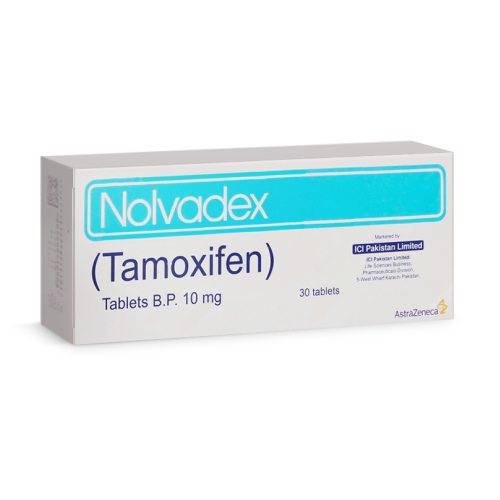
- Packaging: Original Nolvadex (by AstraZeneca) comes in sealed blisters with clear batch number, expiry date, and manufacturer details. Generic tamoxifen packaging in the UK is similarly regulated; look for the UK batch code and MHRA approval mark.
- Tablet appearance: Typically white, round or oval, with a score line. Some generics may differ slightly—always check your pharmacy’s patient information leaflet for details.
- Security features: Some brands use holograms or QR codes on packaging for verification. Always compare with photos from the manufacturer’s website or ask your pharmacist.
- Price warning: An unusually low price is a red flag for counterfeits or unauthorised imports. Never trust offers from overseas “pharmacies” or classified ads.
- If in doubt: Return the product to your pharmacy and request verification, or contact the MHRA for guidance.
Original Nolvadex vs Generics: What should you know?
- Original Nolvadex (AstraZeneca): Proven track record, consistent quality, usually priced higher.
- Generic tamoxifen: Equivalent in clinical effect and safety (according to NHS and EMA), but may have different excipients (fillers) which rarely may cause allergic reactions.
- Generics are widely used on the NHS and are preferred for cost-effectiveness. If you have a documented reaction to one formulation, your doctor can specify a brand or alternative.
- Active ingredient is the same; minor differences are in the non-active components (lactose, maize starch, etc.).
Bottom line: For most people, generics are as effective and safe as original Nolvadex. Always report unusual symptoms after switching brands.
Compatibility: Can Nolvadex be taken with other medicines or products?
| Medicine/Product | Can be combined? | Consequences/Advice |
|---|---|---|
| Paracetamol/Ibuprofen | Yes | No known interaction; safe for short-term use. |
| Aromatase inhibitors | No | Avoid simultaneous use; may nullify effects. |
| Warfarin (blood thinner) | With caution | May increase bleeding risk; monitor INR closely. |
| SSRIs (paroxetine, fluoxetine) | Avoid if possible | Block activation of tamoxifen; use alternatives if needed. |
| St John’s Wort | No | Reduces effectiveness; do not combine. |
| Alcohol | Occasionally | Minimise use; may strain liver and worsen side effects. |
What if I take too much Nolvadex? (Overdose Action Plan)
- Stop taking the medication immediately.
- Call NHS 111 or, in an emergency, dial 999.
- Inform the medical professional of the exact amount and time taken. Bring the packaging if possible.
- Do not try to induce vomiting unless instructed by medical personnel.
- Monitor for symptoms such as tremors, unsteadiness, dizziness, or unusual bleeding.
- Hospital observation is usually recommended for significant overdose, as complications like arrhythmias or seizures (rare) may occur.
No specific antidote exists; treatment is supportive. Prompt medical assessment is critical.
Psychological Support and Living with Breast Cancer
Being diagnosed with breast cancer or facing long-term medication like Nolvadex can be overwhelming. You are not alone: many people share your concerns, and support is available. It’s normal to experience fear, frustration, or mood swings during treatment.
Don’t hesitate to seek support from your oncology nurse, GP, peer support groups, or charities such as Breast Cancer Now. Discussing feelings with loved ones or a counsellor can help manage anxiety and improve adherence to therapy.
What should I do if Nolvadex does not work?
If you, or your doctor, believe that Nolvadex is not effective (e.g., recurrence, progression), do not stop or change therapy on your own. Contact your oncology team promptly to discuss:
- Alternative hormone therapies (aromatase inhibitors, fulvestrant, etc.)
- Genetic testing to assess metabolism (e.g., CYP2D6 status)
- Combination therapies or referral to a clinical trial
- Further imaging or biopsy (if cancer progression is suspected)
Your treatment can be tailored based on your specific response and needs.
Professional Opinion of doctor
In my experience, Nolvadex remains a cornerstone in the management of hormone receptor–positive breast cancer, especially for premenopausal women and those at increased risk. Its proven ability to reduce recurrence and mortality is balanced by a well-understood side effect profile and decades of real-world evidence. Not every patient is suited to tamoxifen: those with a prior thromboembolic event, significant liver disease, or certain psychiatric medications may fare better with alternative agents. For most, however, the long-term benefits outweigh the risks, provided there is good adherence and regular monitoring. It is crucial to individualise treatment—sometimes switching to an aromatase inhibitor after menopause or in case of severe side effects. Ongoing communication with your oncology team, honesty about challenges, and routine follow-ups make all the difference in outcomes. Ultimately, the choice of therapy should empower patients while keeping safety at the forefront.
FAQ: Nolvadex in the United Kingdom (2026)
- Is Nolvadex available without a prescription in the UK?
- No. It is a prescription-only medication and cannot be legally obtained without a doctor’s prescription.
- Can Nolvadex be used daily?
- Yes, the standard regimen is one daily dose, usually 20 mg.
- Are there generic versions of Nolvadex available in the UK?
- Yes, generic tamoxifen is widely available and approved for NHS prescriptions.
- How much does Nolvadex cost in the UK?
- Generic packs cost between £15–£35 per 30 tablets (2026). On the NHS, prescription charges may apply unless you are exempt.
- Can I buy Nolvadex online in the UK?
- Yes, but only from licensed UK online pharmacies with a valid prescription. Avoid unregistered sites to prevent counterfeit risks.
- What are the most common side effects?
- Hot flushes, vaginal symptoms, and fatigue. Serious effects like blood clots are rare but require urgent attention.
- How long should I take Nolvadex for?
- Usually 5 years; up to 10 years in some cases, as advised by your oncology team.
- Can Nolvadex cause weight gain?
- Some people experience weight changes, but these are usually mild and manageable with lifestyle adjustments.
- Does Nolvadex interact with antidepressants?
- Some antidepressants reduce its effectiveness. Always check with your doctor before starting or stopping antidepressants.
- Is Nolvadex suitable for men?
- Yes, in certain cases of male breast cancer or other hormone-related conditions, under specialist supervision.
Sources and References
- NHS – Tamoxifen: Medicines Guidance
- Medicines and Healthcare products Regulatory Agency (MHRA), UK
- European Medicines Agency (EMA) – Nolvadex EPAR
- PubMed: Tamoxifen in Breast Cancer – Real-World Evidence (2024)
- Breast Cancer Now – UK Breast Cancer Charity
- Cancer Research UK – Tamoxifen Information
- ClinicalTrials.gov
- Mayo Clinic – Tamoxifen: Precautions
For further medical advice, always consult a qualified oncology specialist. For NHS patients, you can find accredited breast cancer specialists by using the NHS doctor finder tool or request referral from your GP.