- Home/
- Buy Doxycycline Without Prescription in the United Kingdom Online
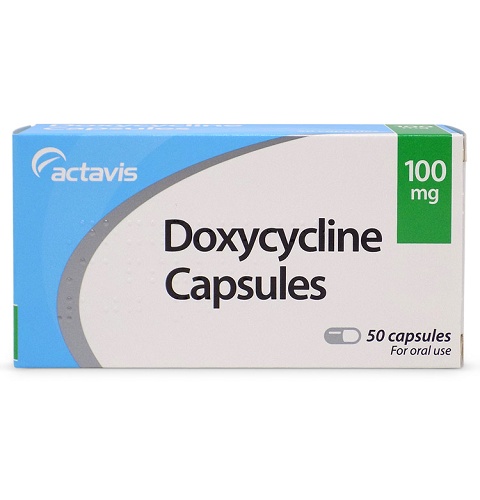
| Name of medicine | Doxycycline |
|---|---|
| Main ingredient | Doxycycline hyclate |
| Purpose / medical use | Antibiotic for bacterial infections |
| Strengths available | 50 mg, 100 mg, and 200 mg tablets/capsules |
| How soon it begins to work | Within 24–48 hours |
| How long it stays effective | Usually requires 7–14 days of treatment |
| When and how to take it | Daily (usually once or twice a day, depending on prescription) |
| Prescription status in the UK | Prescription-only medicine (POM) |
| Usual cost for UK patients | £7–£20 per course (varies by dosage and supplier) |
Doxycycline for bacterial infections: what you need to know in the United Kingdom
Doxycycline is a prescription antibiotic used to treat a wide range of bacterial infections, including respiratory tract infections, skin conditions, and some sexually transmitted infections. It is authorised for medical use in the UK and can be lawfully obtained with a valid prescription from a healthcare professional or a registered online pharmacy. Below, you’ll find a clear guide to deciding if Doxycycline is the right treatment for your circumstances, how it works, and how to use it safely and effectively.
Most bacterial infections are common, treatable, and nothing to be ashamed of
Infections needing antibiotics like Doxycycline are far from rare—according to the UK Health Security Agency (UKHSA), in 2022 there were more than 2.4 million antibiotic prescriptions issued in England for respiratory and urinary tract infections alone. The World Health Organization (WHO, 2022) has also reported a global rise in bacterial infections, but emphasises that timely, correct antibiotic therapy makes a full recovery the norm in the majority of cases. Recognising symptoms and seeking suitable treatment early can prevent complications and reduce transmission. You are not alone—bacterial infections affect people of all backgrounds and ages, and effective solutions are available.
How Doxycycline tackles bacterial infections—and what it means for you
Doxycycline belongs to a class of medicines known as tetracycline antibiotics. It works by blocking the ability of bacteria to produce proteins essential for their growth and survival. In simple terms, this means:
- Stops bacteria from multiplying: By interfering with protein production, Doxycycline prevents bacteria from growing and spreading.
- Gives your immune system the upper hand: With bacterial growth halted, your body can clear the infection more effectively.
For most people, this translates to symptom relief—such as reduced fever, less pain, and improved wellbeing—within 1–3 days of starting treatment. However, it’s vital to complete the entire course prescribed, even if symptoms improve, as stopping early can allow the infection to return or lead to resistance.
Is Doxycycline the right option for your situation?
| Situation you may recognise | Recommended approach | Reason |
|---|---|---|
| You have been diagnosed with a chest infection (such as pneumonia or bronchitis) and your doctor suspects bacteria | Doxycycline is often prescribed | It is effective against most common respiratory bacteria in the UK |
| You need treatment for acne, rosacea, or certain skin infections | Doxycycline is a standard option | Low-dose courses are proven to reduce inflammation and bacterial load |
| You have a history of severe allergy to tetracyclines, are pregnant, or have severe liver impairment | Doxycycline should NOT be used | Risk of adverse reactions or harm to the unborn child; other antibiotics may be safer |
| You are treating a suspected or confirmed viral infection (e.g., common cold, flu) | Doxycycline is not suitable | It is ineffective against viruses; unnecessary use increases resistance |
| You require malaria prevention for travel to certain countries | Doxycycline may be recommended | It is licensed for malaria prophylaxis in specific regions with resistant strains |
If you recognise yourself in any of these scenarios, your decision should be based on your specific diagnosis, medical history, and the advice of your prescriber.
How to take Doxycycline in real life: practical guidance
- When to take it: Take your dose at the same time each day, usually with a full glass of water. Some schedules require once-daily, others twice-daily dosing—follow your prescription label carefully.
- With or without food? Doxycycline can be taken with food to reduce stomach upset, but avoid taking it with dairy products (like milk or cheese) close to your dose, as they can reduce absorption.
- If you miss a dose: Take it as soon as you remember. If it’s nearly time for your next dose, skip the missed dose—do not double up.
- If it doesn’t seem to work after several days: Contact your prescriber—sometimes bacteria may be resistant, or another cause may be contributing to your symptoms.
- Normal side effects: Mild nausea, diarrhoea, or mild skin sensitivity to sunlight are common and usually pass. Drink plenty of fluids and use sun protection.
Unusual symptoms, such as difficulty breathing, severe headache, or persistent vomiting, require medical attention. Always finish your prescribed course, even if you feel better before it ends, to ensure the infection is fully eradicated.
Contraindications: when Doxycycline is not for you
- Allergy to tetracyclines: Doxycycline is not suitable if you have ever experienced a severe allergic reaction to Doxycycline or similar antibiotics, as this can trigger dangerous immune responses.
- Pregnancy and breastfeeding: Doxycycline should be avoided during pregnancy (especially after the first trimester) and while breastfeeding, because it can affect bone and tooth development in the baby.
- Severe liver impairment: If you have significant liver disease, Doxycycline may not be safe, as it is processed by the liver and can accumulate.
- Children under 12: Not routinely recommended due to possible effects on tooth development and bone growth.
Always inform your healthcare provider of your full medical history before starting any antibiotic.
Possible side effects: what’s common and what needs urgent attention
- Frequently experienced: Mild stomach upset, nausea, diarrhoea, and increased sensitivity to sunlight (photosensitivity) are reported by up to 10% of patients, according to the Medicines and Healthcare products Regulatory Agency (MHRA, 2023). These are usually mild and do not require stopping the medication.
- Occasionally seen: Headache, changes in taste, rashes, or vaginal thrush can occur and may resolve without intervention. If persistent, consult your prescriber.
- Rare but serious reactions: Severe allergic reactions (such as swelling of the face, lips, tongue, or throat; difficulty breathing; severe skin rashes) can be life-threatening and require immediate emergency care.
If you experience signs of a serious allergic reaction, call 999 for emergency assistance in the UK. For other unusual or severe side effects, stop the medication and contact your doctor or pharmacist promptly.
Medication interactions: what not to combine with Doxycycline
- Antacids and supplements containing calcium, magnesium, aluminium, or iron: These can bind to Doxycycline in your gut, preventing its absorption. Take these medicines at least two hours apart from Doxycycline.
- Oral contraceptives: While the risk is low, Doxycycline may make the pill less effective—use additional birth control if you experience vomiting or diarrhoea.
- Blood thinning medicines (e.g., warfarin): Doxycycline can increase the effect of these drugs, raising your risk of bleeding. Monitoring and possible dose adjustment may be needed.
- Other antibiotics: Taking more than one antibiotic can increase side effect risk and may not improve efficacy—always check with your prescriber first.
If you take long-term medication for chronic conditions, always check with your healthcare provider before starting Doxycycline. This helps reduce the risk of interactions that could impact your treatment or safety.
How does Doxycycline compare to other antibiotics? Are there better alternatives?
| Antibiotic | Best for | Limitations | When Doxycycline is preferred |
|---|---|---|---|
| Doxycycline | Respiratory infections, acne, chlamydia, malaria prevention | Not suitable during pregnancy; photosensitivity; not for children under 12 | If patient has penicillin allergy or needs malaria prophylaxis |
| Amoxicillin | Ear, throat, chest, and urinary tract infections | Allergic reactions in penicillin-sensitive patients; ineffective for some resistant strains | When tetracyclines are unsuitable or resistance is low |
| Clarithromycin | Respiratory and skin infections, some stomach ulcers | Can interact with statins, some heart medications; may cause taste disturbance | When patient can’t tolerate Doxycycline or penicillins |
Doxycycline is a strong choice in many common scenarios, especially when there is a risk of resistance to penicillins, or for patients unable to take other antibiotics. However, for certain infections (like severe urinary tract infections or complicated skin infections), other antibiotics may offer faster or more targeted effects. Your prescriber’s choice will depend on your infection, medical history, local resistance patterns, and potential side effects.
What you will actually pay for a course of Doxycycline in the UK
| Cost item | Amount | Note |
|---|---|---|
| GP or online doctor consultation | £0–£45 | NHS GP is free; private/online consultation fees vary |
| Prescription charge | £9.65 | NHS prescription fee per item in England (2024); free in Scotland, Wales, NI |
| Doxycycline (7–14 day course) | £7–£20 | Varies by pharmacy and dose |
| Delivery (online pharmacy) | £0–£5 | Many offer free standard delivery; express may cost more |
| Total | £7–£70 | Lowest: NHS, in-person. Highest: private consultation & online delivery |
These figures reflect real-world prices and processes in the UK. If purchasing online, ensure the pharmacy is registered with the General Pharmaceutical Council (GPhC) and that a registered prescriber assesses your suitability before issuing a prescription.
Final questions: what else should you consider before starting Doxycycline?
- How can you be sure your antibiotics are genuine? Buy only from registered UK pharmacies. The General Pharmaceutical Council (pharmacyregulation.org) maintains an up-to-date list of approved outlets.
- Is it legal to buy Doxycycline online? Yes, if you have a valid prescription and the supplier is registered. Beware of unlicensed online sellers that offer antibiotics without a health check—this practice is illegal and potentially dangerous.
- Will taking Doxycycline affect future infections? Using antibiotics only when necessary helps prevent resistance. Always follow your prescriber’s guidance and never share antibiotics with others.
- What should you do if you are unsure? If your symptoms aren’t improving, or if you’re worried about side effects or interactions, contact your GP or pharmacist. They can advise on next steps, including alternative treatments if needed.