- Home/
- Buy Propecia Online in the United Kingdom – Fast and Secure Ordering
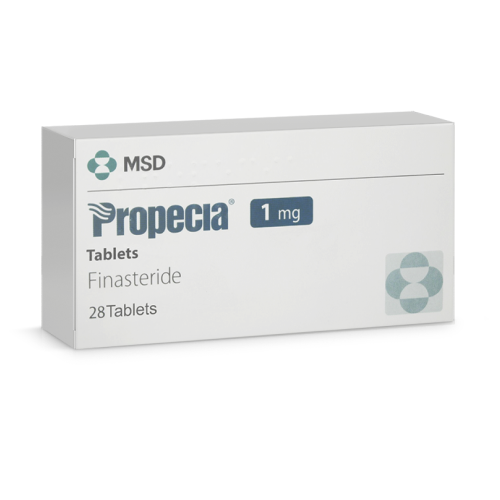
Can Propecia Be Obtained Without a Prescription in United Kingdom?
No, Propecia (finasteride 1 mg for hair loss) is a prescription-only medicine in United Kingdom. It cannot be legally obtained from a pharmacy or online pharmacy without a valid prescription issued by a licensed UK healthcare professional.
Key Takeaways: What You Need to Know About Propecia in United Kingdom
- Propecia is suitable for men with male pattern hair loss (androgenetic alopecia) and generally not prescribed for other hair loss conditions.
- A valid prescription from a UK-registered doctor is required to obtain Propecia from any UK pharmacy.
- Noticeable results usually appear after 3–6 months of continuous daily use; stopping treatment typically leads to loss of any gained hair within 9–12 months.
- Consult your doctor promptly if you experience sexual side effects, breast changes, or symptoms of depression while taking Propecia.
- Propecia works by blocking DHT production, slowing hair loss and sometimes promoting regrowth, but does not work for everyone.
- Women and children must not use or handle crushed Propecia tablets due to risk of harm.
How Does Propecia Work to Treat Hair Loss?
Propecia contains finasteride, which is a selective inhibitor of type II 5α-reductase. This enzyme converts testosterone into dihydrotestosterone (DHT), a hormone that shrinks hair follicles in genetically prone men and leads to male pattern baldness. By blocking this conversion, Propecia reduces DHT levels in the scalp by over 60%, slowing hair loss and, in some cases, enabling regrowth.
DHT is the main hormonal trigger in androgenetic alopecia (hereditary hair loss in men). Propecia’s effect does not depend on external factors such as time of day, food, or sexual activity; it works independently as long as it is taken consistently. Clinical trials and long-term studies confirm that the main benefit is prevention of further hair loss rather than dramatic regrowth (NHS; EMA).
Metaphor: If you imagine hair follicles as plants, DHT acts like a toxin that causes them to shrink and die. Propecia is like a filter that removes this toxin, allowing the remaining healthy plants to survive and sometimes recover.
Propecia does not influence hair growth in areas where follicles have already been lost and replaced by scar tissue. It is most effective at the crown and mid-scalp and less likely to help with receding hairlines or advanced baldness.
Myth vs Reality: Myth: Propecia works instantly and regrows lost hair overnight. Reality: Propecia acts slowly, with most users seeing stabilisation or modest regrowth after several months. Results vary, and not every user will experience visible hair regrowth.
Patients Often Overestimate Visible Results: A Clinician’s Perspective
In clinic, I see many men expect a rapid and dramatic reversal of baldness after starting Propecia. The reality is, most patients experience a slowing or halt of further hair loss, and only a proportion notice visible regrowth. A common misconception is that lack of new hair within a few months means the treatment is not working, when in fact, stabilising hair loss is the main goal. Patients rarely ask about the timeline for results or the importance of continued adherence. Another overlooked aspect is that some users attribute unrelated symptoms to Propecia, when these may have other causes. Open discussion about realistic expectations, monitoring progress with photos, and regular follow-ups are key to successful treatment and satisfaction.
How Should Propecia Be Taken? Dosing, Duration, and Instructions
- The usual dose is 1 mg (one tablet) once daily, taken at the same time each day, with or without food.
- Do not exceed 1 mg per day; higher doses do not improve efficacy for hair loss and may increase side effects.
- The tablet should be swallowed whole; do not crush or split (to prevent accidental exposure, especially in women and children).
- Duration: Propecia must be taken continuously; effects are only maintained with ongoing use.
- Maximum effect is usually seen at 6–12 months, though some improvement may be noted after 3 months.
- If no effect is observed after 12 months, continued treatment may be reassessed by your doctor.
- Missed dose: Skip the missed tablet and continue as normal the next day; do not double up.
- Stopping treatment typically leads to reversal of benefits within 9–12 months.
Note: Propecia is not approved for use in women or children in United Kingdom.
Food, Alcohol, and Lifestyle: Can They Affect Propecia’s Effectiveness?
- Food
- Food does not significantly affect the absorption or effect of Propecia. It can be taken with or without meals (NHS).
- Fatty Meals & Grapefruit
- Unlike some medications, high-fat meals or grapefruit juice do not significantly alter absorption or metabolism of Propecia. There are no specific dietary restrictions required.
- Alcohol
- Alcohol does not interact directly with Propecia. Moderate drinking is generally considered safe, but excessive alcohol can negatively affect hair health and overall wellbeing. Patients with liver disease should use caution, as both alcohol and Propecia are metabolised in the liver.
- Other Lifestyle Factors
- Smoking, stress, and poor diet can all affect hair health, though they do not directly interact with Propecia.
Who Should Not Take Propecia? Contraindications and Cautions
Absolute Contraindications
- Women and children: Propecia is strictly contraindicated. Exposure during pregnancy can cause birth defects in male fetuses.
- Known hypersensitivity: Do not use if allergic to finasteride or any excipients in the tablet.
Relative Contraindications and Cautions
- Liver impairment: Use with caution. Dose adjustment is not usually required in mild-moderate liver impairment, but closer monitoring is advised.
- History of prostate cancer: Propecia can affect prostate-specific antigen (PSA) levels and may mask the detection of certain prostate cancers.
- Depression: Rare cases of depression, including suicidal thoughts, have been reported. Discuss any history of mood disorders with your doctor before starting.
There are no specific contraindications for use with high blood pressure or cardiovascular disease, but always inform your doctor of your full medical history.
After a heart attack or major surgery: There are no data suggesting Propecia worsens recovery, but any new medication should be discussed with your healthcare provider.
What Side Effects Are Most Common with Propecia?
- Very Common (>1/10):
- No side effect occurs in more than 1 in 10 users. Most men tolerate Propecia well.
- Common (1/100 to 1/10):
-
- Reduced libido
- Erectile dysfunction
- Ejaculation disorders, including decreased volume
- Breast tenderness or enlargement
These effects are usually mild, reversible after discontinuation, and occur in about 1–2% of users (PubMed 2020 systematic review).
- Uncommon/Rare (1/1000 to 1/100):
-
- Testicular pain
- Hypersensitivity reactions (rash, itching, swelling)
- Mood changes or depression
- Very Rare (<1/10,000):
-
- Male breast cancer
- Persistent sexual side effects after stopping (post-finasteride syndrome—controversial, under investigation)
- Infertility (rare and often reversible)
- Allergic swelling of the lips, tongue, or face (angioedema—seek emergency care)
What Should You Do if Side Effects Occur?
- Sexual side effects: Discuss with your doctor; most resolve after stopping.
- Breast changes: Report any swelling, pain, or nipple discharge immediately due to risk of rare male breast cancer.
- Mood symptoms: Notify your healthcare provider promptly.
- Allergic reactions: Stop medication and seek emergency care.
Bottom line: Most men experience no or only mild side effects, but you must remain alert for changes and contact your doctor if concerned.
Real-World Pitfalls: Mistakes Patients Make with Propecia (and How to Avoid Them)
- Stopping too soon: Many discontinue Propecia within 2–3 months thinking it’s ineffective. Why it’s problematic: Visible results typically require at least 6 months; stopping early wastes effort and investment. How to avoid: Set realistic expectations and use regular photo documentation.
- Irregular dosing: Skipping days or taking tablets inconsistently can reduce effectiveness. Why it’s problematic: Stable blood levels are needed for optimal DHT suppression. How to avoid: Set reminders or use a pillbox to establish a routine.
- Crushing or splitting tablets: This exposes others (especially women/children) to risk. Why it’s problematic: Finasteride is absorbed through the skin and can harm developing foetuses. How to avoid: Swallow tablets whole and store securely.
- Ordering from unlicensed sources: Obtaining Propecia from unregulated websites increases counterfeit and safety risks. Why it’s problematic: Counterfeit medicines may be ineffective or harmful. How to avoid: Use only licensed UK pharmacies (see Online Safety section below).
- Ignoring mood or sexual symptoms: Some delay reporting side effects due to embarrassment. Why it’s problematic: Early intervention can prevent complications. How to avoid: Communicate openly with your healthcare provider.
How Does Propecia Compare to Alternatives for Hair Loss?
| Medication | Active Ingredient | Formulation | Onset of Effect | Main Side Effects | Approx. Monthly Cost† (GBP) | Prescription? |
|---|---|---|---|---|---|---|
| Propecia | Finasteride 1 mg | Oral tablet | 3–6 months | Sexual dysfunction, mood changes | £30–£60 | Yes |
| Minoxidil | Minoxidil 2–5% | Topical solution/foam | 4–6 months | Scalp irritation | £15–£35 | No (OTC) |
| Dutasteride‡ | Dutasteride 0.5 mg | Oral capsule | 3–6 months | Sexual dysfunction, breast changes | £40–£70 | Yes |
†Prices are average retail/online pharmacy prices as of June 2026 and may vary by region and supplier in United Kingdom.
‡Dutasteride is not licensed for hair loss in United Kingdom (off-label use only).
Summary: Propecia is the only prescription oral treatment licensed for male pattern hair loss in United Kingdom. Minoxidil is the main non-prescription topical alternative. Dutasteride may sometimes be used off-label but carries similar risks and is less studied for hair loss.
Reference Table: Propecia Key Characteristics
| Active ingredient | Finasteride |
| Standard dose | 1 mg once daily |
| Formulation | Film-coated tablet |
| Available pack sizes | 28, 30, or 84 tablets |
| Storage | Below 30°C, in original packaging |
| Prescription status | Prescription only |
| Manufacturer (original) | Merck Sharp & Dohme (UK) Ltd |
Compatibility Checklist: Can Propecia Be Taken with Other Medications?
| Product Type | Compatible? | Potential Consequences |
|---|---|---|
| Minoxidil | Yes | Can be used together; some evidence of combined benefit |
| Warfarin (anticoagulant) | Yes, with caution | Monitor INR; rare reports of minor changes (MHRA) |
| SSRIs (antidepressants) | Yes | No significant interaction |
| Testosterone therapy | Yes, but may reduce efficacy of Propecia | Testosterone increases DHT, may counteract Propecia benefits |
| Alpha-blockers (e.g., tamsulosin) | Yes | No significant interaction; monitor for rare effects |
| Grapefruit juice | Yes | No significant interaction |
Always inform your doctor and pharmacist about all current medications before starting Propecia.
How Is Propecia Processed in the Body? (Pharmacokinetics Explained Simply)
- Absorption: Propecia is well absorbed after oral administration, with peak plasma concentration reached in 1–2 hours.
- Metabolism: It is metabolised in the liver via the CYP3A4 enzyme system.
- Elimination: Excreted in urine (39%) and faeces (57%).
- Half-life (T1/2): Approximately 6 hours in younger men, up to 8 hours in elderly.
- Special populations: No significant accumulation in mild-moderate kidney impairment.
Practical impact: People with severe liver disease should discuss risks with their doctor. No dose adjustments are required in mild-moderate kidney disease.
Special Patient Groups: Precautions and Considerations
- Elderly (65+ years): No special precautions for hair loss, but response may be less robust. Monitor for increased sensitivity.
- Fertility, family planning: A small number of cases of reduced sperm count and quality have been reported, usually reversible after stopping. Women who are, or may become, pregnant must not handle crushed or broken tablets due to risk of birth defects.
- Ability to drive/use machines: Propecia does not cause drowsiness or impair reaction time. No specific restrictions apply under UK law.
- Men with prostate cancer risk: Propecia lowers PSA levels. Inform your doctor if you are having PSA tests.
- Men with metabolic or cardiovascular conditions: No direct contraindications, but always discuss your medical history with your prescriber.
Propecia vs. Generics: What’s the Difference?
The original brand Propecia (Merck Sharp & Dohme) is now off-patent, and several licensed generics containing finasteride 1 mg are available in United Kingdom. Generics must demonstrate bioequivalence to the original, meaning they provide the same amount of active drug to the body in the same timeframe.
- Generics: Contain the same active ingredient (finasteride 1 mg), but may differ in tablet colour, shape, or excipients (inactive fillers).
- Safety: Licensed generics approved by the MHRA must meet the same manufacturing and quality standards as Propecia.
- Allergies: Rarely, excipients in generics may cause reactions in sensitive individuals. Check the patient information leaflet or ask your pharmacist if you have allergies.
- Cost: Generics are usually less expensive, often £10–£25/month compared to £30–£60/month for the branded product.
Bottom line: For most men, generics are equally effective and safe. Always obtain generics from a reputable UK pharmacy.
How to Safely Obtain Propecia Online in United Kingdom
- Check for registration: Only use UK-registered pharmacies displaying the official MHRA distance selling logo and General Pharmaceutical Council (GPhC) registration.
- Prescription required: A genuine online pharmacy will always require a valid UK prescription or provide a regulated online consultation with a UK prescriber.
-
Warning signs of unsafe sellers:
- No prescription required
- Prices much lower than average
- No contact information or registered address in United Kingdom
- No visible pharmacy registration number
- Products shipped from outside the UK or EU
- Consumer protection: Only registered UK pharmacies are subject to MHRA and GPhC oversight, providing recourse in case of counterfeit or unsafe products.
Never buy Propecia from websites offering to ship without a prescription or promising unreasonably low prices.
Identifying Counterfeit Propecia: Packaging, Pricing, and Safety
- Packaging: Original Propecia tablets are film-coated, pale blue, and marked with “PROPECIA” and “MSD 72” on one side. Blister packs are sealed in cardboard boxes with a patient leaflet in English and a batch number matching the box.
- Generics: Will have different markings, but always show the manufacturer, batch number, and UK marketing authorisation number.
- Price: If a price is much lower than the typical range (£10–£60/month), this is a strong warning sign of a counterfeit or unlicensed product.
- Verification: Genuine UK pharmacies provide receipts and are listed in the GPhC pharmacy register.
Tip: If you have doubts about your medication’s authenticity, ask your pharmacist or contact the manufacturer’s UK office directly.
Quality Check: How Should My Propecia Look?
- Tablet: Blue, round, film-coated, with “PROPECIA” and “MSD 72” embossing.
- Packaging: Sealed blister packs inside an English-language box showing product name, batch number, expiry date, and manufacturer (MSD).
- Leaflet: Always included in English with MHRA approval code.
- Verification: Some packs may have QR codes or holograms. If absent, check the pharmacy’s credentials.
What to Do in Case of Propecia Overdose
- Stop taking Propecia immediately.
- Contact NHS 111 or your doctor for urgent advice.
- If you experience serious symptoms (difficulty breathing, swelling of lips/tongue, chest pain), call 999 for emergency services.
- Inform the medical professional about the exact dose and time taken.
- Bring the medicine pack or leaflet if possible.
There is no specific antidote for finasteride overdose. Supportive care is provided if needed.
Step-by-Step: How to Get Propecia Legally in United Kingdom
-
Step 1: Book a Consultation
Arrange an appointment with your GP or a private hair loss specialist (in person or via a regulated online clinic). -
Step 2: Medical Assessment
Doctor will assess your medical history, examine your scalp, and discuss suitability. Blood tests are rarely needed unless another cause is suspected. -
Step 3: Prescription Issued
If appropriate, a prescription for Propecia (finasteride 1 mg) will be provided. -
Step 4: Pharmacy Fulfilment
Take your prescription to a local or online pharmacy registered in United Kingdom. If using an online service, you may be required to upload your prescription or complete an online assessment. -
Step 5: Receive Your Medicine
Collect Propecia in person or, for online orders, have it delivered to your address (next-day delivery is often available in major cities such as London, Manchester, Birmingham, and Glasgow). -
Step 6: Ongoing Review
Arrange regular follow-up appointments to monitor results and discuss any side effects.
Psychological Support: Living with Hair Loss
Hair loss is a common concern and can significantly affect self-esteem. Remember, millions of men experience male pattern baldness, and seeking help is a positive step. If you feel distressed, consider talking to a counsellor or support group. Discussing hair loss openly with a partner or trusted friend often helps reduce anxiety and stigma.
Clinical Assessment by a doctor: Is Propecia Right for You?
In my clinical experience, the men most likely to benefit from Propecia are those with early to moderate male pattern hair loss, especially at the crown or mid-scalp. The ideal candidate is a man in his 20s to 40s with a strong family history of androgenetic alopecia, who wants to slow or halt further recession. For those with extensive hair loss (large bald areas), Propecia is less likely to restore significant density but can still help retain remaining hair. Patients with a history of depression should discuss risks carefully, and men seeking rapid regrowth may be disappointed by the gradual, preventive effect. In some cases—such as advanced baldness, non-androgenetic hair loss, or intolerance to side effects—alternative treatments like topical minoxidil, hair transplantation, or wigs may be more appropriate. Ultimately, the decision to start or continue Propecia should be based on a realistic assessment of goals, tolerance for side effects, and a shared decision-making process with a qualified doctor.
Questions Frequently Asked to doctor
- How will I know if Propecia is working for me?
- Most men notice less hair shedding after 3–6 months, but visible regrowth is less common. Comparing baseline and follow-up photos every few months is the best way to monitor progress.
- Is it safe to use Propecia for many years?
- Long-term studies (up to 5 years) show that Propecia is generally safe when monitored. Ongoing check-ups help identify rare long-term side effects early.
- Will I lose all my new hair if I stop Propecia?
- Yes, discontinuing Propecia typically results in any new or preserved hair being lost within 9–12 months, returning to your baseline pattern of hair loss.
- What can I do if I experience sexual side effects?
- Discuss symptoms with your doctor. In most cases, side effects are mild and resolve after stopping the medicine. Sometimes, dose reduction or switching products (if appropriate) can help.
- How is treatment monitored in clinical practice?
- Doctors usually monitor progress through patient feedback, regular photographs, and discussion of side effects. Blood tests for PSA are only needed if prostate issues arise.
- If Propecia doesn’t work for me, what are my options?
- Alternatives include topical minoxidil, hair transplantation, or cosmetic approaches. It’s important to review your diagnosis and treatment goals with a specialist.
- Can I use hair styling products or dyes while on Propecia?
- Yes, styling products do not affect Propecia’s action. However, avoid harsh treatments that could damage fragile hair.
Frequently Asked Questions about Propecia in United Kingdom
- Is Propecia available over the counter in United Kingdom?
- No, Propecia is prescription-only in United Kingdom. You must have a doctor’s prescription to purchase it from a pharmacy or online service.
- How long does Propecia take to work?
- Most men see stabilisation of hair loss within 3–6 months, with maximum benefit at around 12 months. Results vary between individuals.
- What happens if I miss a dose?
- Take your next dose as usual; do not double up to make up for missed tablets. Missing a single dose is unlikely to affect long-term results.
- Can women use Propecia for hair loss?
- No, Propecia is not licensed for use in women and may cause birth defects if used during pregnancy or handled by pregnant women.
- What are the most common side effects?
- The most common side effects are reduced libido, erectile dysfunction, and breast tenderness—usually mild and reversible after stopping the medicine.
- Can I buy generic finasteride safely in United Kingdom?
- Yes, as long as it is supplied by a UK-registered pharmacy. Generics are required by law to be as effective and safe as Propecia.
- What should I do if I have side effects?
- Contact your doctor. Do not stop the medication abruptly without advice, but report any concerns promptly.
- Is Propecia suitable for all types of hair loss?
- No, it is only effective for male pattern hair loss (androgenetic alopecia). It does not work for alopecia areata, telogen effluvium, or scarring types of hair loss.
- Can I get Propecia on the NHS?
- In most cases, Propecia is not available on the NHS for cosmetic hair loss and must be obtained privately. Exceptions are rare and decided case-by-case.
- How much does Propecia cost in United Kingdom?
- Prices range from £10–£60 per month depending on brand or generic, supplier, and pack size. Costs are usually not reimbursed by the NHS.
References
- NHS. Finasteride for hair loss. Accessed June 2026. https://www.nhs.uk/medicines/finasteride/
- EMA. Propecia (finasteride) Assessment Report. Accessed June 2026. https://www.ema.europa.eu/en
- MHRA. Electronic Medicines Compendium. Accessed June 2026. https://www.medicines.org.uk/emc/
- General Pharmaceutical Council (GPhC). Find a registered pharmacy. Accessed June 2026. https://www.pharmacyregulation.org/registers/pharmacy
- MHRA. Register of Online Pharmacies. Accessed June 2026. https://www.gov.uk/guidance/register-of-online-pharmacies
- Rossi A, et al. Finasteride and sexual side effects. Systematic Review. Dermatol Ther. 2020; 33:e14144. https://pubmed.ncbi.nlm.nih.gov/32077449/
- Merck Sharp & Dohme (UK) Ltd. Propecia Summary of Product Characteristics. Accessed June 2026. https://www.msd-uk.com/