- Home/
- Buy Lasix Online in the United Kingdom – Fast Delivery and Secure Ordering
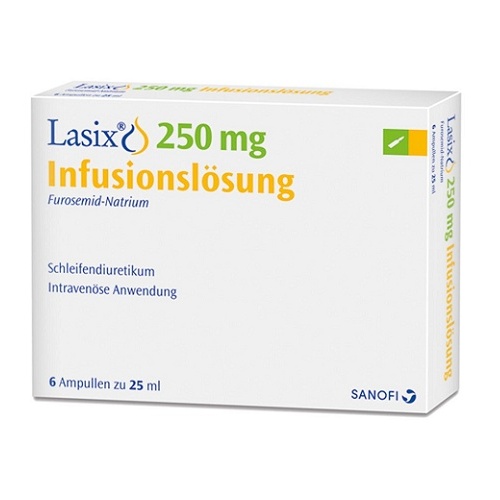
Can I get Lasix (Furosemide) without a prescription in United Kingdom?
No, obtaining Lasix (Furosemide) without a prescription in the United Kingdom is illegal and unsafe. In the UK, Lasix is a prescription-only medicine (POM). To buy it from any legitimate pharmacy — whether high street or online — a valid prescription from a UK-registered prescriber is required. This regulation is enforced by the Medicines and Healthcare products Regulatory Agency (MHRA) to protect patients from counterfeit or inappropriate medication use (MHRA).
Summary: What you must know about Lasix (Furosemide) in United Kingdom
| Parameter | Details (UK, 2026) |
|---|---|
| Active Ingredient | Furosemide |
| Main Use | Oedema (fluid retention) caused by heart, liver, or kidney disease |
| Prescription Requirement | Prescription-only (POM) |
| Common Dose | 20-40mg once or twice daily (adjusted individually) |
| Onset of Action | Within 1 hour (oral); 5 minutes (IV) |
| Availability in UK | Branded & generic forms widely available in pharmacies |
| MHRA Regulation | Strictly controlled; online purchase only from registered UK pharmacies |
How does Lasix (Furosemide) work in the body?
Lasix (Furosemide) is a potent “loop diuretic”. It works by blocking the sodium-potassium-chloride (Na-K-2Cl) co-transporter in the thick ascending limb of the loop of Henle — a key segment in the kidney’s filtering units (nephrons).
- This inhibition prevents the reabsorption of sodium, chloride, and potassium back into the bloodstream.
- As a result, more salt and water are excreted in the urine, reducing fluid overload (oedema).
- This leads to a fall in blood pressure and relieves swelling in conditions like heart failure, chronic kidney disease, and liver cirrhosis.
Metaphor: Imagine your kidneys as a dam. Lasix opens the sluice gates, letting out excess water that’s built up behind the dam — but it also takes salt along with it.
Lasix acts independently of dietary triggers or circadian rhythm. Its effectiveness depends on kidney function and the presence of excess fluid (NHS).
Expert Commentary from Dr. N. Morrison, Consultant Nephrologist (London)
In my practice, patients often underestimate just how powerful Lasix can be — especially when combined with other diuretics. One of the most common mistakes is thinking of it as a mild “water pill”. In truth, a single dose in someone with sensitive kidneys or low blood pressure can cause profound electrolyte shifts or dehydration. I always remind patients that the balance of salts in the body is delicate; self-adjusting the dose is dangerous. Also, patients with chronic oedema sometimes lose trust in Lasix if it doesn’t “work” overnight, but its true benefits often unfold over several days when used as part of a larger treatment plan.
What are the recommended doses of Lasix in the UK and how should it be taken?
- Standard adult starting dose (oral): 20–40mg once daily, usually in the morning.
- If needed, dose may be increased in 20mg increments every 6–8 hours, up to maximum 600mg per day (hospital use only, severe cases; rarely exceeded 80–120mg in home care).
- Elderly patients: Start at lower doses due to increased sensitivity.
- Children: Dose is based on body weight (commonly 1–3mg/kg/day), always under specialist supervision.
- Renal impairment: Doses may be adjusted; sometimes higher doses are required if kidneys are less responsive.
- Liver impairment: Lower initial doses and careful monitoring are recommended.
Peak effect: 1–2 hours after oral dose. Duration: 6–8 hours. The tablet can usually be split, but check specific product leaflet as some formulations (like modified-release) should not be broken.
Never exceed the dose prescribed by your doctor. Overdosing can lead to dangerous dehydration and electrolyte disturbances.
How do food, alcohol, and lifestyle affect Lasix treatment?
- Food: Taking Lasix with or after food may slightly reduce and delay its absorption, but this is rarely clinically significant. However, it’s best to take it consistently at the same time relative to food for predictable effects.
- High-fat meals: May delay onset of action by up to 1 hour.
- Alcohol: Combining Lasix with alcohol is not recommended. This increases the risk of dehydration, low blood pressure, dizziness, and falls. If you do drink, limit to very small amounts (e.g., a half pint of beer or a small glass of wine) and discuss with your doctor first.
- Grapefruit juice: No significant interaction reported with Lasix specifically, but always check with your pharmacist about other medicines you take.
- Potassium-rich foods: Since Lasix can lower potassium, consider including bananas, tomatoes, or supplements if recommended by your doctor.
Maintain normal salt and fluid intake unless your prescriber advises otherwise. Avoid drastic changes to diet or fluid volume without medical advice.
Who should NOT take Lasix? (Absolute and Relative Contraindications)
| Type | Contraindication | Why |
|---|---|---|
| Absolute | Allergy to Furosemide or sulfonamides | Risk of severe allergic reaction (anaphylaxis) |
| Absolute | Anuria (no urine production) | Ineffective; risk of toxicity |
| Absolute | Severe hypovolaemia / severe dehydration | May cause life-threatening shock |
| Absolute | Severe electrolyte imbalances (low potassium or sodium) | Risk of fatal arrhythmias |
| Absolute | Hepatic coma or severe liver failure | May worsen brain function (encephalopathy) |
| Relative | Gout, diabetes, low blood pressure, kidney impairment | Risk of worsening underlying disease |
| Relative | Pregnancy and breastfeeding | Specialist advice required |
| Relative | Use with other nephrotoxic drugs (e.g. aminoglycosides) | Increases risk of kidney injury |
Some conditions may allow cautious use under hospital supervision. Always consult your doctor before starting or stopping Lasix.
What side effects are most common with Lasix?
- Increased urination (polyuria)
- Low potassium (hypokalaemia)
- Low sodium (hyponatraemia)
- Dizziness, low blood pressure (especially on standing)
- Muscle cramps
- Increased blood sugar (may unmask diabetes)
- Uric acid rise (may trigger gout)
- Rash or photosensitivity
- Hearing disturbance (high doses, IV use)
- Severe allergic reaction
- Liver enzyme abnormalities
- Kidney function deterioration
- Pancreatitis
- Severe skin reactions
- Blood disorders (e.g., agranulocytosis)
- Confusion, visual disturbances (from severe electrolyte loss)
Most side effects are dose-related and reversible if caught early. If you experience fainting, muscle weakness, confusion, or severe skin rash, stop taking Lasix and seek urgent medical help.
Lasix Compatibility with Other Products (Quick Check Table)
| Product/Drug | Can it be combined? | Possible Consequence |
|---|---|---|
| ACE inhibitors (e.g., Ramipril) | Yes, with caution | Risk of excessive blood pressure drop, monitor closely |
| NSAIDs (e.g., Ibuprofen) | Not recommended | Can reduce diuretic effect, worsen kidney function |
| Digoxin | Yes, with monitoring | Low potassium can increase risk of digoxin toxicity |
| Other diuretics (e.g., Spironolactone) | Yes, specialist decision | May be used together in resistant oedema, but careful monitoring needed |
| Lithium | Not recommended | Can increase lithium toxicity |
| Alcohol | Strictly limited | Increases risk of dehydration, hypotension |
Always disclose all medicines and supplements you take to your doctor or pharmacist.
Common Patient Mistakes Observed by doctor
- Skipping potassium blood tests: Lasix can lower potassium dangerously. Regular monitoring is essential, but many patients neglect this until symptoms develop (cramps, palpitations).
- Doubling up after missed doses: Taking two doses at once can trigger sudden fluid and salt loss, causing fainting.
- Stopping abruptly: Especially in heart failure, stopping Lasix suddenly can lead to rapid fluid accumulation and hospitalisation.
- Taking in the evening: Night-time dosing often leads to sleep interruption due to frequent urination. Morning or early afternoon is preferred.
- Ignoring weight changes: Sudden weight gain may mean fluid is returning — but some patients attribute it to “eating too much” rather than contacting the doctor promptly.
- Buying from unverified online sources: There’s a real risk of receiving counterfeit or substandard medication, which may be ineffective or harmful. Always use a UK-registered pharmacy.
How does Lasix compare to other diuretics for oedema? (Comparison Table)
| Drug | Class | Onset (Oral) | Duration | Common Side Effects | Typical Price (UK, 2026) | Notes |
|---|---|---|---|---|---|---|
| Lasix (Furosemide) | Loop diuretic | 30–60 min | 6–8 h | Low potassium, dehydration | £0.10–£0.30 / 40mg tablet | Fast, powerful; short-acting |
| Bumetanide | Loop diuretic | 30 min | 4–6 h | Similar to Furosemide | £0.20–£0.40 / 1mg tablet | More potent mg for mg; shorter duration |
| Bendroflumethiazide | Thiazide diuretic | 1–2 h | 8–12 h | Low sodium, increased uric acid | £0.08–£0.18 / 2.5mg tablet | Milder; for mild oedema or hypertension |
| Spironolactone | Potassium-sparing diuretic | 2–4 h | 12–24 h | High potassium, breast tenderness | £0.12–£0.25 / 25mg tablet | Often used in combination; slower onset |
Bottom line: Lasix is typically used for rapid relief of significant fluid overload. Thiazides are used for milder oedema or blood pressure; potassium-sparing agents for specific cases or as adjuncts. Price differences are minimal, but always balance cost with clinical need and safety.
How to obtain Lasix legally in United Kingdom: Step-by-step
- Consult a GP or specialist (in person, via NHS, or using registered telemedicine services such as Push Doctor, Babylon Health, or your local NHS Trust’s e-consult platform).
- Medical assessment: Your doctor will evaluate your symptoms, medical history, and run necessary tests (blood, urine, weight check).
- Receive a prescription: If Lasix is appropriate, the doctor issues a UK-legal prescription (paper or electronic).
- Choose a pharmacy: Take your prescription to a community or hospital pharmacy, or use a UK-registered online pharmacy. Check for the MHRA/EU logo on the website for legitimacy.
- Obtain medication: The pharmacist may ask questions about your health and other medicines. For NHS prescriptions, standard charges apply (England: £9.65 per item in 2026); free for eligible groups (Scotland, Wales, NI, some exemptions in England).
- Follow up: Schedule regular check-ups with your prescriber for monitoring and possible dose adjustments.
Never attempt to import Lasix via unregulated online sellers. Counterfeit risk is high and customs may seize unlicensed imports (NHS Prescriptions).
Is it legal to buy Lasix from online pharmacies in the UK?
Yes — but only from licensed UK pharmacies after a valid prescription.
- All legitimate online pharmacies must display the European Union (EU) common logo and be registered with the General Pharmaceutical Council (GPhC).
- Buying Lasix without a prescription, or from websites that do not require one, is illegal and exposes you to potentially unsafe or fake products.
- Pharmacists are trained to verify prescriptions, advise on safe use, and check for drug interactions.
Prescriptions protect you: they ensure Lasix is used only when necessary and safe. If in doubt, ask your doctor or local pharmacist for guidance.
How can I spot counterfeit or unsafe Lasix?
- Original Lasix packaging (UK): Blister packs with “Lasix” or “Furosemide” clearly printed, batch number, expiry date, and manufacturer (Sanofi, Teva, Accord, etc.).
- Box should include UK-specific leaflet (English language, MHRA info), correct spelling, and regulatory logos (GPhC / MHRA).
- Some brands include a hologram or QR code linked to the manufacturer.
- Suspicious signs: Unusually low price, foreign language leaflet, no batch/expiry data, unusual tablet shape or colour, no prescription required.
Generics: Furosemide generics are widely used in the UK and must meet strict MHRA standards. They may differ in colour, shape, or excipients (inactive ingredients), but contain the same active drug and are clinically equivalent. Those with allergies should check the leaflet for inactive ingredients. Generics are generally more affordable and just as effective (MHRA: Generic Medicines Overview).
How is Lasix metabolised and eliminated from the body?
- Absorption: 60–70% after oral dose; peak blood levels at 1–2 hours.
- Metabolism: Minimal liver metabolism (mainly via the kidney, some by the liver in those with renal impairment).
- Elimination: 60–80% excreted unchanged in urine; remainder in bile/stool.
- Half-life (T1/2): 1–2 hours in healthy adults (may be prolonged in kidney or liver disease).
This is why Lasix is used cautiously in severe kidney or liver disease — the drug can build up and cause toxicity.
Myth: “Lasix eliminates water only.”
Reality: “Lasix flushes out both water and essential salts. Monitoring of electrolytes is crucial, especially potassium and sodium.”
Should Lasix be used differently in the elderly, or those with chronic illnesses?
- Elderly: More sensitive to dehydration and electrolyte imbalance; start low, go slow. Monitor blood pressure closely.
- Chronic kidney disease: May require higher doses, but risk of toxicity if kidneys are severely impaired; specialist supervision essential.
- Liver cirrhosis: Risk of hepatic encephalopathy; careful monitoring of sodium and fluid status needed.
- Heart failure: Lifesaving, but abrupt withdrawal can precipitate rapid fluid overload.
- Diabetes: Lasix can raise blood sugar and uric acid; check regularly.
- Pregnancy: Use only if absolutely necessary; may impair foetal growth. Consult a specialist.
- Breastfeeding: Lasix passes into breast milk in small amounts; may reduce milk supply. Generally avoided unless vital.
Ability to drive: Lasix can cause dizziness, especially at initiation or dose changes. Avoid driving or operating machinery if affected. (NHS Medicines: Furosemide)
Can you become dependent on Lasix? What about withdrawal?
Physical dependence: There’s no “addiction”, but the body adapts. Abruptly stopping Lasix in chronic oedema (especially heart failure, kidney or liver disease) can lead to dangerous fluid build-up. Tapering under supervision is safest.
Withdrawal symptoms: Rapid weight gain, swelling, breathlessness — seek medical help if these occur after stopping Lasix.
Lasix Quality Check: How should genuine UK Lasix look?
- Tablet: White, round or oval, engraved with dose and manufacturer code (e.g., “F40”, “SANO”).
- Packaging: Blister packs or bottles, labelled in English, with batch and expiry clearly visible.
- Box: UK address, MHRA number, official leaflet, and often a QR code or hologram.
- If in doubt, ask your pharmacist to verify — they can check the medication in their database and with the manufacturer if necessary.
What should I do in the event of a Lasix overdose?
- Stop taking Lasix immediately.
- Call NHS 111 or 999 (emergency) if you feel faint, confused, have muscle weakness, or severe dizziness.
- Tell the medical professional exactly how much you took and when.
- Bring your medication packaging to the hospital if possible.
- Do not attempt to self-treat with fluids or other medication without medical advice.
Questions Frequently Asked to Dr. N. Morrison
- Can I take Lasix with my blood pressure medicines?
- Yes, but extra caution is needed. Combining Lasix with ACE inhibitors or beta-blockers can cause your blood pressure to drop too low. Regular checks are important, especially in the first weeks.
- What happens if I forget a dose?
- Take it as soon as you remember — unless it’s late in the day (after 4pm), then skip it to avoid night-time urination. Never double up. Resume your schedule the next day.
- Is it safe to drink alcohol while on Lasix?
- Very limited alcohol is sometimes permitted, but can increase dizziness and dehydration. Discuss with your doctor if you want to drink occasionally.
- Can Lasix cause kidney damage?
- Rarely, especially if overdosed or in those with pre-existing kidney disease. Always follow your doctor’s instructions and report any changes in urination or swelling.
- Is long-term use dangerous?
- Long-term Lasix is safe for most, but regular blood tests (potassium, sodium, kidney function) are needed to catch side effects early.
- Can I stop taking Lasix once the swelling is gone?
- No, not without consulting your prescriber. Fluid may quickly return if you stop suddenly, especially in chronic conditions like heart failure.
- Is it safe for people over 70?
- Yes, but lower starting doses and closer monitoring are required. The elderly are more prone to side effects like dizziness and dehydration.
Frequently Asked Questions about Lasix (UK-specific)
A: Not typically. Lasix is mainly used for oedema. Other diuretics are preferred for hypertension alone without fluid retention.
Q: How quickly does Lasix work?
A: Oral Lasix usually starts working within 1 hour, peaking in 1–2 hours, and lasting 6–8 hours.
Q: What should I do if I feel dizzy after taking Lasix?
A: Sit or lie down immediately and inform your doctor. Dizziness is a common side effect but may indicate blood pressure is too low.
Q: Do I need regular blood tests while on Lasix?
A: Yes. Potassium, sodium, and kidney function should be monitored every few months, or more often if advised.
Q: Is Lasix available on the NHS?
A: Yes. Lasix and its generics (Furosemide) are available via NHS prescription.
Q: Can I drive after taking Lasix?
A: If you feel dizzy or faint after a dose, avoid driving or using machinery.
Q: Are generics as good as branded Lasix?
A: Yes. All generics must meet MHRA standards and contain the same active ingredient.
Q: How much does Lasix cost in UK pharmacies?
A: For NHS prescriptions, standard charges apply (England: £9.65 per item in 2026); generics cost about £0.10–£0.30 per tablet privately.
Professional Opinion of doctor
In my clinical experience, Lasix (Furosemide) remains the cornerstone of rapid fluid removal for patients with significant oedema due to heart failure, chronic kidney disease, or advanced liver disease. It is highly effective when used appropriately and can provide dramatic symptom relief. However, its power comes with real risks — particularly dehydration, electrolyte loss, and, in rare cases, kidney or hearing damage if overdosed. I am especially cautious in elderly patients and those with multiple conditions; regular monitoring is essential. Patients who do not respond well to Lasix or develop intolerable side effects may benefit from alternative diuretics or combination therapy. Ultimately, the safest approach is always under regular supervision by a healthcare professional with blood tests and careful attention to new symptoms. Lasix is not a cure for the underlying cause; it is a vital, but supportive, tool in the overall management plan.
A note on psychological support
If you are struggling with symptoms of oedema, know that you are not alone. Many people in the UK manage chronic conditions with support from their healthcare team. If you feel overwhelmed, don’t hesitate to discuss your concerns with your doctor, nurse, or a counsellor. Emotional wellbeing is just as important as physical health.
How to find an oedema specialist in United Kingdom
- Ask your GP for referral to a consultant cardiologist, nephrologist, or specialist nurse in your area — especially in larger cities such as London, Manchester, Birmingham, Glasgow, or Cardiff.
- The NHS “Find a Consultant” service (NHS Consultant Search) can help you locate qualified specialists. Always verify credentials and registration with the General Medical Council (GMC).
- University hospitals and teaching centres (e.g., Guy’s and St Thomas’ NHS Foundation Trust, Manchester Royal Infirmary, Queen Elizabeth Hospital Birmingham) have dedicated oedema and heart failure clinics.
References and Sources
- NHS. Furosemide (Lasix). Accessed June 2026. https://www.nhs.uk/medicines/furosemide/
- MHRA. Medicines and Healthcare products Regulatory Agency. Accessed June 2026. https://www.gov.uk/government/organisations/medicines-and-healthcare-products-regulatory-agency
- BNF. British National Formulary. Furosemide profile. Accessed June 2026. https://bnf.nice.org.uk/drug/furosemide.html
- MHRA. Generic medicines overview. Accessed June 2026. https://www.gov.uk/guidance/generic-medicines-overview
- PubMed. “Loop diuretics for heart failure: Efficacy and safety.” Accessed June 2026. https://pubmed.ncbi.nlm.nih.gov/
- EMA. European Medicines Agency. Furosemide summary. Accessed June 2026. https://www.ema.europa.eu/en
- NHS. NHS Prescriptions and Pharmacies. Accessed June 2026. https://www.nhs.uk/nhs-services/prescriptions-and-pharmacies/nhs-prescriptions/