- Home/
- Buy Glucophage Online in the United Kingdom – Fast Delivery Available
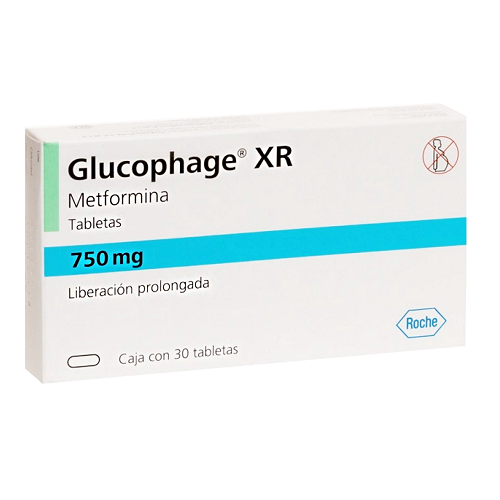
Is Glucophage (Metformin) available without a prescription in United Kingdom?
No, Glucophage (metformin) can only be obtained with a valid prescription from a UK-registered healthcare professional. Non-prescribed access is illegal and may endanger your health. Always consult a qualified doctor for safe and effective diabetes treatment.
Key Takeaways: Glucophage for Type 2 Diabetes in United Kingdom
- Glucophage (metformin) is the first-line oral treatment for adults with type 2 diabetes in the UK, especially when diet and exercise alone are insufficient.
- A valid NHS or private prescription is required to obtain Glucophage at any UK pharmacy.
- Most users see a gradual reduction in blood sugar levels over 1–2 weeks, with full effect in several weeks.
- Gastrointestinal side effects (such as diarrhoea and nausea) are common, particularly when starting treatment.
- Immediate medical advice is essential if you develop symptoms of lactic acidosis such as rapid breathing, severe weakness, or unusual sleepiness.
- Glucophage is most effective when combined with lifestyle modifications, not as a replacement for healthy habits.
How does Glucophage (Metformin) work in the body?
Metformin, the active ingredient in Glucophage, acts primarily by reducing hepatic (liver) glucose production and increasing insulin sensitivity in muscle and fat cells. Its main biochemical action is the inhibition of mitochondrial respiratory-chain complex I in liver cells, which decreases the production of glucose. This leads to reduced fasting and postprandial (after-meal) blood glucose levels without stimulating insulin secretion, thereby reducing the risk of hypoglycaemia (dangerously low blood sugar levels) when used alone (NHS).
On a molecular level, metformin activates the AMP-activated protein kinase (AMPK) pathway, a master regulator of energy balance. Activation of AMPK suppresses gluconeogenesis (the creation of glucose from non-carbohydrate sources) and increases the uptake of glucose by skeletal muscles (PubMed).
Metaphorically, think of Glucophage as a “brake” for excess sugar production in your liver, while simultaneously opening the “gates” for your muscles to absorb more sugar from your bloodstream.
Unlike some other diabetes medications, Glucophage does not require high levels of circulating insulin to work and its effect is independent of meals, although gastrointestinal absorption is slightly improved with food.
Misjudging Progress: Why Early Expectations with Glucophage Often Differ from Reality
As a clinician, I often encounter patients who expect Glucophage to dramatically lower their blood sugar within days. In reality, the onset of action is gradual—improvements may be apparent within a week but optimal glycaemic control usually takes several weeks, especially when starting at a low dose. Another common misconception is that absence of symptoms equals good control; however, type 2 diabetes can remain silent despite ongoing high blood sugar. I encourage patients to regularly monitor their glucose, attend reviews, and understand that improved energy or fewer symptoms don’t always correlate with optimal blood sugar levels. Patients rarely ask about how to measure long-term benefits (such as changes in HbA1c), yet this is crucial for assessing true treatment success.
What is the recommended dosage and how should Glucophage be taken?
Glucophage is available in several strengths, including 500 mg, 850 mg, and 1000 mg film-coated tablets, as well as modified-release (MR) formulations. The starting dose for adults is usually 500 mg once or twice daily with meals. Dose increases are made gradually, typically every 1–2 weeks, based on tolerability and blood glucose levels. The maximum recommended daily dose for standard tablets is 3000 mg, often split into 2–3 doses. For modified-release forms, the maximum is usually 2000 mg, taken once daily with the evening meal (electronic Medicines Compendium).
- Tablets should be taken with or after food to reduce gastrointestinal side effects.
- Do not crush or split modified-release tablets. Standard tablets may be split if scored, but always check the specific product leaflet.
- Peak effect occurs within 2–3 hours for immediate-release forms, and 4–8 hours for MR tablets. The glucose-lowering effect is sustained as long as you keep taking the medicine as prescribed.
- In elderly patients or those with kidney impairment, lower starting doses and regular kidney function monitoring are essential.
How does food, alcohol, and lifestyle influence the effectiveness of Glucophage?
Taking Glucophage with meals is essential to minimise stomach upset. High-fat meals do not significantly delay absorption, but may increase the risk of gastrointestinal side effects. For modified-release versions, swallowing the tablet whole is important for proper drug release.
Alcohol poses a significant risk when combined with Glucophage, increasing the chances of lactic acidosis—a rare but potentially fatal complication. Binge drinking or regular heavy alcohol use should be avoided (NHS). Even small amounts of alcohol may not be safe if you have liver disease, kidney impairment, or are acutely ill.
Grapefruit juice does not interact with metformin. However, always discuss any supplements or over-the-counter products with your doctor.
Physical activity and healthy eating remain crucial alongside medication for best results. Smoking cessation is strongly recommended, as smoking independently increases cardiovascular risks in type 2 diabetes.
Glucophage Compatibility with Common Substances
| Substance | Can it be combined? | Consequences |
|---|---|---|
| Alcohol (large amounts) | No | Risk of lactic acidosis, potentially fatal |
| Grapefruit Juice | Yes | No significant interaction |
| Insulin | Yes | Possible increased risk of hypoglycaemia—monitor closely |
| NSAIDs (e.g., ibuprofen) | With caution | Monitor kidney function |
| Antihypertensives (ACE-inhibitors) | Yes | May improve glucose control |
| Iodinated contrast agents | No | Stop metformin before contrast studies; risk of lactic acidosis |
Who should not take Glucophage? Absolute and relative contraindications explained
- Absolute contraindications (never take Glucophage):
- Severe kidney impairment (eGFR below 30 mL/min/1.73 m2).
- Unstable heart failure or recent acute myocardial infarction.
- Severe liver disease.
- Known hypersensitivity to metformin or any tablet ingredients.
- Acute metabolic acidosis (including diabetic ketoacidosis, lactic acidosis).
- Excessive alcohol use or acute alcohol intoxication.
- Relative contraindications (use with caution and medical supervision):
- Moderate kidney impairment (eGFR 30–45 mL/min/1.73 m2), only if benefits outweigh risks.
- Planned use of iodinated contrast agents (withhold Glucophage before and after procedure).
- Age over 80 years, unless kidney function is confirmed normal.
- Severe infections, dehydration, or surgery.
Why? The main concern is lactic acidosis, a potentially fatal build-up of lactic acid in the bloodstream. Kidney or liver dysfunction impairs drug clearance, sharply increasing this risk. Use of contrast media or severe illness also raise the risk of acute kidney injury, which can make Glucophage dangerous.
What side effects are most common with Glucophage?
Very common (affecting more than 1 in 10):
- Gastrointestinal disturbances: diarrhoea, nausea, vomiting, flatulence, abdominal pain, loss of appetite.
Common (affecting 1 in 10 to 1 in 100):
- Taste disturbance (metallic taste).
- Headache.
Rare (affecting 1 in 1,000 to 1 in 10,000):
- Lactic acidosis (medical emergency: rapid breathing, abdominal pain, muscle cramps, confusion, severe weakness).
- Skin reactions such as redness or itching.
Very rare:
- Vitamin B12 deficiency with long-term use (can cause anaemia or nerve problems).
- Liver dysfunction or hepatitis.
If you experience persistent vomiting, severe abdominal pain, rapid breathing, or unusual fatigue, stop Glucophage and seek urgent medical attention—these may be signs of lactic acidosis.
Most gastrointestinal side effects improve if you start with a low dose and increase gradually.
Typical Pitfalls: Mistakes People Make When Taking Glucophage
- Stopping Glucophage abruptly after mild side effects: Many patients discontinue at the first sign of nausea or diarrhoea. These symptoms are often temporary and can be minimised by taking the tablet with food and allowing time for the gut to adjust.
- Missing regular kidney function tests: Skipping blood tests increases the risk of undetected kidney problems, which can make metformin dangerous.
- Taking modified-release tablets incorrectly: Some cut or crush MR formulations, which can cause dose dumping and increased side effects. Always swallow whole unless your doctor advises otherwise.
- Ignoring sick day rules: Continuing Glucophage during severe illness, vomiting, dehydration, or before/after surgery can be hazardous. Always follow your doctor’s “sick day” guidance.
- Underestimating alcohol risk: Even moderate drinking can be dangerous, especially if you have liver or kidney issues or are unwell.
- Disregarding the need for lifestyle change: Some expect Glucophage alone to “fix” diabetes. Medication works best alongside healthy diet and exercise.
How does Glucophage compare to main alternatives for type 2 diabetes?
Metformin (Glucophage) is generally first-line in UK guidelines, but several commonly prescribed alternatives exist. Here is a comparison based on common criteria in 2026. Prices are approximate and subject to regional variation (BNF, May 2026).
| Medication | Main Active Ingredient | Onset of Action | Duration of Effect | Main Side Effects | Price per 28 days (NHS, typical dose) |
|---|---|---|---|---|---|
| Glucophage | Metformin | Within 1–2 weeks | Continuous (with regular use) | GI upset, rare lactic acidosis | £1–£3 (NHS, generic) |
| Forxiga | Dapagliflozin | Within 1–2 weeks | Continuous | Genital infections, dehydration | £36–£40 |
| Glimepiride | Glimepiride | Within days | Up to 24 hours | Hypoglycaemia, weight gain | £1–£2 |
| Onglyza | Saxagliptin | Within 1 week | Continuous | Nasopharyngitis, headache | £31–£35 |
Bottom line: Glucophage is highly cost-effective, with a strong safety record, but GI side effects are common at the start. Some newer drugs may offer weight loss or lower cardiovascular risk, but at higher cost.
Technical characteristics and product information for Glucophage
| Parameter | Value |
|---|---|
| Active substance | Metformin hydrochloride |
| Available strengths | 500 mg, 850 mg, 1000 mg |
| Formulations | Immediate-release, Modified-release (MR) |
| Shelf life | 36 months |
| Storage Conditions | Below 25°C, original packaging |
| Legal status UK | Prescription only |
| Manufacturer | Merck Sante S.A.S. (original); generics widely available |
What is the typical process for obtaining Glucophage in United Kingdom?
- Consultation: Book an appointment with your GP, diabetes nurse, or an NHS/private endocrinologist for assessment and diagnosis.
- Medical Assessment: Your doctor will review your blood tests (including kidney function) and overall health to determine if Glucophage is appropriate.
- Prescription: If indicated, a prescription will be issued, typically via electronic prescription service (EPS) in the NHS or as a signed paper prescription.
- Pharmacy Dispensing: Take your prescription to any high-street or registered online pharmacy. NHS exemptions and prepayment certificates may apply for cost savings.
- Ongoing Monitoring: Return for regular reviews, blood tests, and medication adjustments as advised by your clinician.
Telemedicine: Many GP practices and private services offer remote consultations, prescription issue, and home delivery by a registered pharmacy, provided a full online assessment is carried out and UK regulations are followed.
What Patients Most Often Ask Their Doctor About Glucophage Treatment
- Will Glucophage help me lose weight as well as lower my blood sugar?
- Glucophage may support modest weight loss or help avoid weight gain, particularly in people who make dietary changes and increase physical activity. However, it is not a weight-loss medicine per se. The primary effect is to improve blood sugar control.
- How will I know if Glucophage is working?
- The best indicator is improvement in your blood sugar readings and HbA1c levels over several months. Some people also report increased energy, but these are less reliable markers than blood test results.
- Can I ever stop taking Glucophage if my diabetes improves?
- Sometimes, if your blood sugar remains in the target range with significant lifestyle changes, your clinician may discuss reducing or stopping metformin. Any changes should always be made under medical supervision.
- What tests should I have while on Glucophage?
- Regular monitoring of kidney function (eGFR), annual vitamin B12 levels, and HbA1c every 3–6 months are recommended. Your doctor may adjust the frequency according to your health status.
- Is it safe to take Glucophage long-term?
- For most people, long-term use is safe and effective, provided regular monitoring is maintained. The potential for vitamin B12 deficiency is considered, so annual checks are often advised.
- What should I do if I develop diarrhoea or nausea?
- Mild symptoms are common and often settle within days or weeks. Taking the medication with food may help. If symptoms are severe or persistent, contact your doctor for advice.
- Can I take Glucophage if I am pregnant or planning pregnancy?
- Metformin may be considered in pregnancy in specific situations, but this decision must always be taken with your diabetes or antenatal team. Do not continue or start Glucophage without medical guidance if planning a pregnancy.
Myth vs Reality: What Glucophage Can and Cannot Do
- Myth: Glucophage cures type 2 diabetes.
Reality: It helps control blood sugar but is not a cure. Stopping lifestyle changes will reverse progress. - Myth: Metformin works instantly.
Reality: It takes days to weeks for the full effect. Patience and ongoing monitoring are crucial. - Myth: If you feel fine, your diabetes is under control.
Reality: High blood sugar often causes no symptoms. Only regular testing confirms control.
Pharmacokinetics: How is Glucophage absorbed, metabolised, and eliminated?
Metformin is absorbed mainly from the small intestine, with bioavailability of 50–60% after oral administration. Peak plasma concentrations are typically reached within 2–3 hours for immediate-release tablets and 4–8 hours for modified-release forms. Metformin is not metabolised by the liver; it is excreted unchanged in the urine via the kidneys.
The elimination half-life is approximately 4–8 hours in people with normal kidney function. Impaired kidney function can significantly prolong this, raising the risk of accumulation and side effects.
Which special patient groups require extra caution with Glucophage?
- Older adults (over 80): Increased risk of kidney impairment and lactic acidosis. Kidney function must be monitored regularly.
- People with heart failure: Only use if the condition is stable and kidney function is normal.
- Pregnancy: Metformin may be used in certain cases, such as gestational diabetes or when insulin is not tolerated, but only under specialist supervision (NICE).
- Children: Metformin may be used from age 10 in specific cases, but paediatric dosing and monitoring differ from adults.
- Fertility: There is evidence that metformin can improve ovulation in women with polycystic ovary syndrome (PCOS). Discuss this with your doctor if relevant.
- Driving and machinery: Glucophage alone poses little risk of hypoglycaemia, so driving is typically safe. If combined with other diabetes medications that can cause low blood sugar, increased caution is required.
Original Glucophage vs generics: Is there a difference?
Original Glucophage is manufactured by Merck Sante S.A.S., but generic metformin is widely available and considered equally effective and safe. Generic versions must meet the same regulatory standards for quality, strength, purity, and efficacy (MHRA).
Excipients (inactive ingredients) may differ slightly between brands. Rarely, people may be sensitive to certain fillers, colouring agents, or tablet coatings. Always check the leaflet for a list of excipients if you have known allergies.
Generics typically cost less (£1–£3 per month on the NHS), making them a practical and safe choice for most people.
Quality Check: How should authentic Glucophage look in United Kingdom?
- Original blister packs: Should display the Merck logo, batch number, expiry date, and product strength (500mg, 850mg, or 1000mg).
- Tablet appearance: White to off-white, film-coated, oval or round, with score line (if immediate-release). Modified-release tablets may be larger and must not be split.
- Packaging: Includes a UK-specific patient information leaflet and an MHRA-approved label in English.
- Verification features: Some packs display QR codes or holograms that can be checked using the manufacturer’s or pharmacy’s app/website.
- Counterfeit alert: Unusually low prices, missing batch numbers, misspelled packaging, or absence of UK regulatory information are common warning signs.
How can patients in United Kingdom stay safe when using online pharmacies for Glucophage?
- Only use pharmacies registered with the General Pharmaceutical Council (GPhC) or displaying the MHRA “distance selling logo.” You can verify registration at the GPhC website.
- Legitimate online pharmacies require a valid prescription and conduct proper identity and health checks.
- Avoid sites offering Glucophage without prescription, at extremely low prices, or with overseas shipping from outside the UK/EU. These are red flags for counterfeit medicines and pose serious risks.
- Look for a verifiable UK address, telephone line, and a clear complaints process.
- Report suspected counterfeits to the MHRA Yellow Card Scheme (yellowcard.mhra.gov.uk).
How to distinguish between original Glucophage, generics, and counterfeit products in United Kingdom
- Original Glucophage: Manufactured by Merck, with distinct packaging, UK-specific labelling, and security features as above.
- Generics: Produced by reputable pharmaceutical companies, bearing the name “metformin” with the manufacturer’s details and UK market approval. Generics are regulated for quality and are safe when dispensed from registered pharmacies.
- Counterfeit or grey-market products: May have inconsistent packaging, foreign language labelling, missing leaflets, or lack batch and expiry details. Often sold at suspiciously low prices and without prescription.
- Never purchase metformin from unregistered sellers or overseas websites not regulated by the MHRA.
What should I do if Glucophage does not seem to work for me?
- Check your adherence: Are you taking it exactly as prescribed, with meals, and at the right times?
- Review lifestyle habits: Diet and exercise remain crucial. Even with medication, poor habits can undermine blood sugar control.
- Discuss with your clinician: Blood tests may uncover reasons for suboptimal control, such as another underlying health condition, or the need for dose adjustment or additional medication.
- Never increase dose or stop medication without medical advice.
What should I do in case of Glucophage overdose?
- Stop taking Glucophage immediately.
- Call 999 or go to your nearest Accident & Emergency department without delay.
- Inform the medical staff exactly how much was taken, when, and whether any other substances were consumed.
- Do not wait for symptoms to develop. Lactic acidosis can develop rapidly and is life-threatening.
Symptoms of overdose include rapid breathing, severe weakness, abdominal pain, confusion, and unusual drowsiness.
Empathy and Psychological Support: You are not alone in managing type 2 diabetes
Type 2 diabetes is common and manageable with the right support. Many people feel anxious or guilty about needing medication—this is normal. Discussing your concerns with your healthcare provider or support groups in your area (for example, Diabetes UK) can make a huge difference. Involving your family or partner may also help with motivation and adherence.
Clinical Assessment by doctor: Who benefits most from Glucophage, and when to consider alternatives
In my clinical experience, Glucophage (metformin) is best suited to adults with newly diagnosed type 2 diabetes who have not achieved target blood sugars through diet and exercise alone. Patients who are overweight or obese often see additional benefit, as metformin does not promote weight gain and may support modest weight loss. Those with normal kidney and liver function, and who can tolerate mild gastrointestinal side effects, are ideal candidates.
Conversely, I would not recommend metformin for anyone with significant renal impairment (eGFR < 30 mL/min/1.73 m2), unstable heart failure, or severe liver disease. Where metformin is poorly tolerated, or contraindications develop, newer agents may be preferable—especially for people needing cardiovascular protection or weight loss. If gastrointestinal symptoms remain intolerable after all adjustments, or if blood sugars remain high despite maximum tolerated dose, a switch or combination therapy should be discussed. Individualised treatment and regular review remain essential.
Frequently Asked Questions about Glucophage in United Kingdom
- Is Glucophage the same as metformin?
- Yes, Glucophage is the original brand name for metformin. Most UK prescriptions are now filled with generic metformin, which is equally effective and safe.
- Can I get Glucophage without a prescription in the UK?
- No, it is only available with a valid prescription from a UK-registered healthcare professional due to safety and monitoring requirements.
- How long does it take for Glucophage to start working?
- Most people notice a reduction in blood sugar within 1–2 weeks, but optimal effect can take up to 2–3 months. Regular blood tests are the best way to monitor success.
- What should I do if I miss a dose?
- Take your next dose at the usual time. Do not double up. Missing one dose occasionally is unlikely to cause harm, but regular missed doses will reduce effectiveness.
- Can I take Glucophage with other diabetes medicines?
- Yes, Glucophage is often combined with other oral medicines or insulin. Your doctor will tailor therapy to your needs and monitor for interactions or side effects.
- What are the risks of taking Glucophage long-term?
- Long-term risks are low for most people. The main concerns are rare lactic acidosis (especially with kidney or liver problems) and vitamin B12 deficiency, which is monitored annually.
- Is Glucophage safe during pregnancy?
- In certain cases, metformin is used during pregnancy, especially for gestational diabetes or PCOS, but always under specialist supervision. Do not start or continue without medical advice.
- Does Glucophage cause hypoglycaemia?
- Glucophage rarely causes low blood sugar when used alone. The risk increases if taken with insulin or sulfonylureas. Monitor as directed if on combination therapy.
- How much does Glucophage cost in United Kingdom?
- On the NHS, generic metformin usually costs £1–£3 for a month’s supply. Private prescriptions may be higher.
- What is lactic acidosis and how can I avoid it?
- Lactic acidosis is a rare but serious build-up of lactic acid in the blood, most likely with severe kidney/liver impairment, alcohol overuse, or acute illness. Follow dosing instructions, attend regular check-ups, and stop the medicine if you become seriously unwell.
References
- NHS. Metformin: About, How and When to Take It, Side Effects. Accessed June 2026. https://www.nhs.uk/medicines/metformin/
- electronic Medicines Compendium (eMC). Glucophage 500mg Tablets – Summary of Product Characteristics. Accessed June 2026. https://www.medicines.org.uk/emc/product/104/smpc
- PubMed. Metformin and AMPK: Mechanistic Insights and Therapeutic Opportunities. Accessed June 2026. https://pubmed.ncbi.nlm.nih.gov/36385595/
- National Institute for Health and Care Excellence (NICE). Type 2 Diabetes in Adults: Management NG28. Accessed June 2026. https://www.nice.org.uk/guidance/ng28/resources/type-2-diabetes-in-adults-management-pdf-1837338615493
- MHRA. Medicines and Healthcare products Regulatory Agency. Accessed June 2026. https://www.gov.uk/government/organisations/medicines-and-healthcare-products-regulatory-agency
- British National Formulary (BNF). Metformin, Alternatives, and Pricing. Accessed May 2026. https://bnf.nice.org.uk/