- Home/
- Buy Zithromax at Low Price in the United Kingdom Online
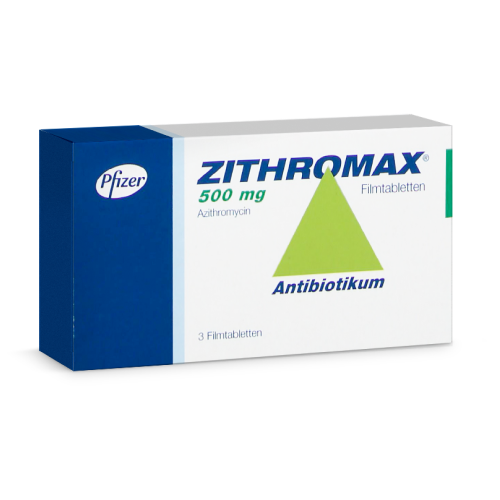
Zithromax is a prescription-only antibiotic in the United Kingdom, used for a wide range of bacterial infections from chest to skin to sexually transmitted infections. What sets it apart is its short course and unique dosing: often, you only need to take it for three to five days. But that convenience comes with trade-offs in side effects, interactions, and when it’s the right choice. If you’re considering Zithromax, knowing when it works best—and when it doesn’t—is the single most important step before starting treatment.
Zithromax in the Spotlight: Why This Antibiotic Isn’t Like the Others
It’s a weekday morning at your GP surgery. The waiting room fills with coughs, sore throats, and the unspoken hope for something that will bring relief. But when the prescription pad comes out, not every antibiotic is created equal. Zithromax finds its way into the hands of patients who need something more: a quick course, fewer daily doses, or an answer to bacteria that have shrugged off other treatments. But is Zithromax as convenient—and as safe—as it sounds?
Unlike most antibiotics, which often require a week or more of dosing, Zithromax (brand name for azithromycin) is famous for its “short course”: three to five days is common in the UK, thanks to its extended action in the body. That means fewer missed doses, a lower chance of forgetting, and—possibly—better adherence. But this efficiency comes with a story: Zithromax lingers in your tissues, delivering its effect long after you swallow the last tablet. That’s good news for many, but it changes what happens if you react badly, or if your infection needs a different approach.
The NHS tightens when it comes to antibiotic use: every prescription is scrutinised for necessity, and Zithromax isn’t a first-line choice for many infections. That’s partly to protect against resistance—bacteria learning to dodge the drug—and partly because of the unique risks and benefits azithromycin brings. For the right patient, it’s a game changer. For the wrong one, it can mean missed cures or avoidable side effects.
Zithromax stands out for its short, potent course and its ability to treat infections that resist other antibiotics. But those same features mean it’s not right for everyone—and not always the safest option. Understanding where it fits is the first step.
Who Benefits Most from Zithromax—And Who Might Not
Some antibiotics are generalists, handed out for anything from a scratchy throat to a raging chest infection. Zithromax is a specialist. In UK practice, it’s chosen when:
- Patients cannot take penicillins due to allergy or intolerance (azithromycin offers a distinct structure and a low cross-allergy risk)
- The infection involves bacteria known to be sensitive to azithromycin—especially certain respiratory pathogens and sexually transmitted organisms
- Adherence is likely to be a concern (short course and once-daily dosing are easier to complete)
- Co-morbidities or drug interactions make alternatives risky (azithromycin has a different interaction profile from erythromycin or clarithromycin, for example)
- Specific indications like chlamydia, non-gonococcal urethritis, or traveller’s diarrhoea, where guidelines often name azithromycin directly (NHS).
On the flip side, some patients may not benefit—or may even be harmed—by taking Zithromax:
- People with a history of abnormal heart rhythms (QT prolongation), especially when taking other drugs that affect heart rhythm
- Those with liver impairment, as azithromycin is processed in the liver and can exacerbate underlying problems
- Individuals with known hypersensitivity to macrolide antibiotics
- Patients with severe kidney impairment (azithromycin is not always the best choice here, though less affected than some antibiotics)
Doctor’s perspective: “We see patients who ask for Zithromax because they’ve ‘heard it’s easier.’ But easy isn’t always better. The short course only works if the bacteria in question are sensitive to azithromycin. For some chest infections, penicillin-type antibiotics still offer a higher cure rate—if the patient can take them. Our job is to balance the ease of use with the real-world chance of cure and safety.”
How Zithromax Treats Infection: Azithromycin’s Unique Approach
Bacteria have their own machinery for survival. Azithromycin, the active ingredient in Zithromax, slips inside bacterial cells and blocks their ability to make vital proteins. Unlike antibiotics that burst cell walls (like penicillins) or interfere with DNA replication (like fluoroquinolones), azithromycin quietly halts the assembly line, starving the bacteria from within.
This mechanism—protein synthesis inhibition at the bacterial ribosome—means Zithromax can tackle pathogens that have developed resistance to older drugs. It’s especially effective against atypical bacteria, such as Mycoplasma pneumoniae, Chlamydia trachomatis, and Legionella species, which are harder to treat with first-line antibiotics (NHS Medicines).
- Protein synthesis inhibition
- The way azithromycin stops bacteria from building the proteins they need to grow and multiply, effectively arresting the infection.
But this elegant strategy is double-edged. By sticking around in the body’s tissues for days after the last dose, Zithromax maintains its antibacterial effect but also means any side effects or interactions can linger, too. It’s not the best fit for every germ or every person: some bacteria are naturally resistant, and overuse can fuel resistance further.
Azithromycin’s strength is its ability to fight stubborn or “atypical” bacteria with a unique, slow-release action. Its weakness? Not all bacteria care, and not every patient can afford its side effect or interaction profile.
Taking Zithromax Right: Getting the Course Right
A three-day course sounds simple. It often is—but only if you know the rules. Zithromax’s dosing in the UK is tailored to the infection and the patient. For a chest infection, you might be told to take 500 mg once daily for three days. For chlamydia, the dose is usually a single 1g tablet. For children, the calculation shifts with weight and condition.
| Indication | Standard Adult Dose | Common Duration |
|---|---|---|
| Community-acquired pneumonia | 500 mg once daily | 3 days |
| Chlamydia trachomatis | 1 g (single dose) | 1 day |
| Skin/soft tissue infection | 500 mg once daily | 3–5 days |
| Children (weight-based dosing) | 10 mg/kg once daily | 3 days |
Doses may differ for kidney or liver impairment, and always follow your prescriber’s instructions. Never share antibiotics or adjust the course yourself.
- Take Zithromax at the same time each day, with or without food (unless your doctor advises otherwise).
- If you vomit within an hour of taking a dose, contact your healthcare provider—replacement may be required.
- Finish the full course, even if you feel better before it ends, to prevent recurrence and resistance.
Zithromax vs. Other Antibiotics: When Azithromycin Makes Sense
| Attribute | Zithromax (Azithromycin) | Amoxicillin (Penicillin group) | Doxycycline (Tetracycline group) |
|---|---|---|---|
| Common UK Indications | Chest infections, chlamydia, skin/soft tissue, some STIs | Chest/ear/throat infections, some UTIs, skin infections | Respiratory infections, chlamydia, acne, Lyme disease |
| Dosing Schedule | Once daily, typically 3–5 days | 2–3 times daily, typically 5–7 days | Once or twice daily, typically 7 days |
| Tolerability | Generally well tolerated, but can cause GI upset, rare heart rhythm issues | Well tolerated, risk of allergy (rash/anaphylaxis) | Photosensitivity, GI upset, avoid in pregnancy/children |
| Major Risks/Warnings | QT prolongation, liver issues, some drug interactions | Penicillin allergy, rarely liver/jaundice | Not in pregnancy/children, sun sensitivity, interactions with antacids |
| Prescription Status | Rx only (UK) | Rx only (UK) | Rx only (UK) |
| Cost (Typical NHS Charge) | Standard NHS prescription charge unless exempt | Standard NHS prescription charge unless exempt | Standard NHS prescription charge unless exempt |
Interpretation: Zithromax is often chosen when penicillins are not safe (allergy), when a short course is crucial, or for infections caused by atypical bacteria. Amoxicillin remains the first choice for many respiratory infections unless there’s a strong reason to avoid it. Doxycycline is a go-to for longer-term or specific infections (such as certain STIs or tick-borne diseases), but comes with its own set of restrictions. The real value of Zithromax is in its ease of use and its reach into infections that other drugs don’t cover. But it’s not the universal answer: what works for one infection might fail another.
Which Side Effects Matter Most with Zithromax—and When to Act
The majority of patients tolerate Zithromax well. Mild stomach upset, loose stools, or a bit of nausea are the most common experiences. But some side effects signal a problem that should not be ignored—or that may require stopping the medication.
- Gastrointestinal upset: Bloating, nausea, diarrhoea are common but usually mild. They typically resolve after the course ends. Staying hydrated and taking the medicine with food may help, though absorption is not significantly affected by meals.
- Cardiac effects: Azithromycin can prolong the QT interval on your ECG. This is mostly a concern if you have a known heart condition, take other QT-prolonging medicines, or have a history of arrhythmias. Fainting, palpitations, or chest pain while on Zithromax warrants urgent evaluation.
- Allergic reactions: Severe reactions are rare but serious. Any sign of facial swelling, difficulty breathing, or a widespread rash means stop the drug and get help.
- Liver dysfunction: Jaundice, dark urine, or unexplained fatigue could signal liver injury. This is uncommon but more likely if you have underlying liver disease.
| Side Effect | How Common? | When to Contact a Doctor |
|---|---|---|
| Stomach upset/diarrhoea | Common (10–20%) | If severe, persistent, or bloody |
| Palpitations/chest pain | Rare (<1%) | Immediately—potential heart rhythm issue |
| Rash/allergic reaction | Uncommon (1–2%) | Immediately if swelling, hives, or breathing problems |
| Jaundice or liver issues | Rare (<1%) | If yellowing of skin/eyes or dark urine |
| Headache | Occasional | If severe or persistent |
Most side effects resolve quickly after you finish the course. The exceptions—heart rhythm changes, severe allergic reactions, or liver symptoms—are rare, but must be taken seriously. If you’re in doubt, it’s safer to ask than to wait. NHS 111 is available for urgent but non-life-threatening queries (NHS 111).
When NOT to Take Zithromax: Red Flags and Grey Zones
- Absolute contraindications: Previous severe allergic reaction to azithromycin or other macrolides (erythromycin, clarithromycin), known hypersensitivity to any component of Zithromax.
- Severe liver dysfunction: Risk of azithromycin-induced liver injury is higher, and the drug should be avoided unless no alternative exists and benefits outweigh risks.
- Known QT prolongation or significant arrhythmias: Zithromax can further extend the heart’s electrical cycle, raising the chance of dangerous rhythm problems.
- Children under 6 months (oral suspension): Safety has not been established for all indications.
Relative contraindications (discuss with your doctor):
- Taking other medicines that prolong the QT interval (e.g., some antidepressants, antipsychotics, or antiarrhythmics)
- Pregnancy or breastfeeding: Azithromycin is sometimes used but only when clearly indicated—discuss risks and benefits
- Moderate kidney disease: Dose adjustment or alternative antibiotic may be considered
- Myasthenia gravis: Azithromycin may worsen muscle weakness in rare cases
When in doubt, disclose every medication, supplement, and medical condition to your prescriber. This is especially vital with Zithromax, as many drug interactions are not obvious. For current, authoritative contraindications, always refer to the Electronic Medicines Compendium (emc) and NHS guidance.
Access in the UK: Getting Zithromax Legally and Safely
Zithromax is a prescription-only medicine (POM) in the United Kingdom. You cannot obtain it legally without a valid prescription from a qualified prescriber—typically a GP, nurse prescriber, or sexual health clinician. Walk-in requests at a pharmacy will be refused under law (NHS).
- GP Surgery: The usual route for respiratory, skin, and general infections. Prescribing follows national and local guidelines, with strict oversight on antibiotic use.
- Sexual Health Clinic: Fast access for treatment of chlamydia, certain non-gonococcal urethritis, or as part of partner notification protocols.
- Online/Distance Prescribing: Legitimate online services exist but must be registered with the Care Quality Commission (CQC). Always check CQC registration and avoid any site not requiring a proper consultation.
- Price: On the NHS, Zithromax incurs the standard prescription charge unless you are exempt. Private prescriptions vary by provider and pharmacy but should not be “cheap”—if it’s suspiciously inexpensive, question its legitimacy.
Only accept Zithromax from a registered UK pharmacy with a valid prescription. Counterfeit antibiotics are a genuine problem online and can be dangerous or ineffective. Always prioritise safety over speed.
FAQs: Real Questions About Zithromax in UK Life
- Can I get Zithromax without seeing my GP?
- No. In the UK, Zithromax is prescription-only. GPs, nurse prescribers, and certain clinic specialists can prescribe it if you meet clinical criteria. Online pharmacies must also follow strict regulations and require a real consultation.
- Is Zithromax safe if I have a penicillin allergy?
- Yes—azithromycin is chemically unrelated to penicillins, so cross-allergy is very rare. It is a common alternative in people with penicillin allergies. Confirm your allergy history with your prescriber.
- Do I need to take Zithromax with food?
- No, you can take it with or without food, but if you experience stomach upset, food may help. The drug’s absorption is not significantly affected by meals in most patients.
- What happens if I miss a dose?
- Take it as soon as you remember. If it’s nearly time for your next dose, skip the missed dose—do not double up. Contact your prescriber if you’ve missed more than one dose during a short course.
- How long does Zithromax stay in my system?
- Azithromycin’s long half-life means it stays active in your body for several days after your last dose—up to a week. This is why courses are short but effective for many infections.
- Can I share my leftover Zithromax with a friend or partner?
- No. Sharing antibiotics is dangerous and illegal in the UK. The right diagnosis and dosing matter for safety and effectiveness—and leftover tablets should be returned to a pharmacy for disposal.
- Why do some doctors seem reluctant to prescribe Zithromax?
- Antibiotic stewardship is strict in the UK to prevent resistance. Zithromax is reserved for specific indications to protect its usefulness. If another antibiotic is suggested, it’s likely safer or more effective for your situation.
References & Further Reading
- Azithromycin: NHS Medicines A-Z
- Medicines and Healthcare products Regulatory Agency (MHRA)
- British National Formulary (BNF). Azithromycin monograph. BMJ Group and Pharmaceutical Press.
- Electronic Medicines Compendium (emc)
- National Institute for Health and Care Excellence (NICE) Guidelines
- European Medicines Agency (EMA)
- World Health Organization: Essential Medicines List
- US CDC: Sexually Transmitted Infections Treatment Guidelines