- Home/
- Buy Priligy Online in the United Kingdom – Fast UK Delivery
Can Priligy Be Obtained Without a Prescription in the United Kingdom?
Priligy (dapoxetine) is a prescription-only medication in the United Kingdom. It cannot be legally purchased or supplied without a valid prescription from a registered medical professional. Over-the-counter or online sales without a prescription are illegal and may put your health at risk.
Key Takeaways: What You Need to Know About Priligy
- Priligy is prescribed only for adult men diagnosed with premature ejaculation.
- A prescription is required in the UK; you cannot legally obtain Priligy without seeing a doctor.
- Most men experience results within one to two hours after taking Priligy, but timing and effectiveness can vary.
- The most important safety consideration is potential side effects like dizziness and sudden drops in blood pressure. Always follow your doctor’s instructions.
- If you experience fainting, persistent nausea, or vision changes, seek urgent medical help.
- Priligy only treats symptoms, not underlying causes or psychological factors in premature ejaculation.
Table of Contents
- How Does Priligy Work to Treat Premature Ejaculation?
- Pharmacokinetics: How Priligy Is Processed in Your Body
- When Results Don’t Match Expectations: Clinical Observations
- How Should Priligy Be Taken? Dosage and Timing
- Does Food, Alcohol, or Lifestyle Affect Priligy?
- Who Should Not Take Priligy? Contraindications Explained
- What Side Effects Are Most Common with Priligy?
- Common Pitfalls: Mistakes Patients Make When Taking Priligy
- How Does Priligy Compare with Other Treatments?
- Priligy Technical Information Table
- Compatibility Check: Priligy with Other Medications
- Step-by-Step: How to Get Priligy Legally in the UK
- How to Choose a Safe Online Pharmacy in the UK
- Spotting Counterfeit and Generic Priligy: What to Look For
- Remember: You’re Not Alone—The Psychological Side
- What to Do in Case of Priligy Overdose
- Questions Patients Often Ask Doctors About Priligy
- Clinical Assessment by doctor: Who Benefits Most from Priligy?
- FAQ: Quick Answers About Priligy in the UK
- References
How Does Priligy Work to Treat Premature Ejaculation?
Priligy contains dapoxetine, which is classified as a selective serotonin reuptake inhibitor (SSRI). Unlike traditional SSRIs used for depression, dapoxetine is rapidly absorbed and eliminated, designed specifically for on-demand use rather than daily administration. It works by inhibiting the serotonin transporter in the central nervous system. This means more serotonin remains available at the synapse, helping to delay ejaculation by prolonging the time required for the sensory stimulation to trigger the ejaculatory reflex.
More technically, dapoxetine inhibits the reuptake of serotonin (5-HT) at presynaptic neurons, particularly affecting the 5-HT1A and 5-HT2C receptors. This action reduces the excitability of the ejaculatory reflex pathway originating in the spinal cord and brain. The outcome is a measurable increase in the intravaginal ejaculatory latency time (IELT), which has been demonstrated in multiple randomised controlled trials[1].
Simplified metaphor: Think of serotonin as a “brake” for sexual stimulation. Priligy strengthens the brake, creating a delay before release.
Priligy works independently—sexual stimulation is still required for ejaculation to occur, and the medication does not cause an erection or arousal in itself.
Pharmacokinetics: How Priligy Is Processed in Your Body
Dapoxetine is rapidly absorbed after oral administration, with peak plasma concentrations reached within 1–2 hours. The elimination half-life is short—approximately 1.5 hours for the parent compound, with active metabolites persisting up to 20 hours[2]. It is extensively metabolised in the liver, primarily by CYP2D6 and CYP3A4 enzymes. The majority is excreted as metabolites via the kidneys.
- Peak effect: 1–2 hours after taking the tablet
- Duration of action: 4–6 hours (individual variation)
- Metabolism: Liver (CYP2D6, CYP3A4)
- Elimination: Kidney
- Half-life (T½): Approx. 1.5 hours
Because Priligy is not suitable for daily use, drug accumulation is rare in individuals with normal liver and kidney function. However, those with hepatic or severe renal impairment may have higher plasma levels and should not take Priligy without specialist advice.
Why “It Didn’t Work for Me”: Clinical Insights into Patient Expectations
As a physician, I often see patients disappointed after their first dose of Priligy, expecting a dramatic, fail-safe delay in ejaculation. A common misconception is that Priligy provides a universal “pause button,” when in reality, the response varies and is often influenced by psychological factors, anxiety, and the context of use. Some men expect the effect to be instant regardless of timing or sexual stimulation, but optimal results often require taking the tablet exactly as prescribed—typically 1 to 3 hours before intercourse—and being aware that the increase in control is often modest rather than absolute.
Another issue is that many patients don’t ask about interactions with alcohol or other drugs, or they fail to mention existing health problems such as mild liver disease. It’s also rare for patients to inquire about possible emotional changes, mood effects, or whether the benefit will persist beyond a few months of use. These are the kinds of questions that can make a real difference to long-term satisfaction with treatment.
How Should Priligy Be Taken? Dosage and Timing
- Standard initial dose: 30 mg, taken 1–3 hours before anticipated sexual activity.
- Maximum recommended dose per 24 hours: 60 mg (never exceed one tablet in 24 hours).
- Tablets should be swallowed whole with at least a full glass of water. Do not split or crush the tablet.
- May be taken with or without food, but avoid high-fat meals for faster onset.
- Not intended for daily use; only take as needed before sexual activity.
Elderly patients or those with mild kidney problems do not require dose adjustment, but use in those over 65 is not generally recommended due to limited safety data. Priligy is not suitable for anyone with moderate or severe liver impairment or significant heart disease.
Myth vs Reality: Myth: Taking a higher dose guarantees better results. Reality: Higher doses increase the risk of side effects and do not guarantee greater benefit.
Does Food, Alcohol, or Lifestyle Affect Priligy?
Priligy may be taken with or without food. Consuming a high-fat meal may delay the onset of action by approximately 30–60 minutes, but does not significantly reduce its effectiveness.
- Alcohol: Combining Priligy with alcohol significantly increases the risk of dizziness, fainting, and sudden drops in blood pressure. Heavy drinking should be avoided. Even moderate alcohol use can exacerbate side effects.
- Grapefruit juice: Grapefruit and its juice can interact with Priligy’s metabolism and should be avoided to reduce the risk of higher blood levels and adverse effects.
Lifestyle factors matter: Dehydration and standing up quickly after taking Priligy may increase your risk of feeling dizzy or faint.
Who Should Not Take Priligy? Contraindications Explained
- Absolute contraindications (never allowed):
-
- Known hypersensitivity to dapoxetine or any excipients in the formulation
- Severe hepatic impairment
- Concurrent use of monoamine oxidase inhibitors (MAOIs) or thioridazine
- Significant heart disease: second- or third-degree heart block, heart failure, recent heart attack (within 6 months)
- History of syncope (unexplained fainting)
- Concurrent use with other SSRIs, SNRIs, tricyclic antidepressants, lithium, or linezolid
- Relative contraindications (use with caution):
-
- Mild to moderate kidney impairment (dose adjustment may be required)
- History of mood disorders (depression, mania, bipolar disorder)
- High risk of bleeding or taking anticoagulants
- Unstable blood pressure or arrhythmias
Why these restrictions? Priligy affects serotonin pathways, which can interact dangerously with other antidepressants or certain cardiac medications. People with unstable heart disease or significant liver problems are at higher risk for severe adverse events such as arrhythmia or toxicity.
What Side Effects Are Most Common with Priligy?
- Very common (>1 in 10):
-
- Nausea
- Headache
- Common (1 in 10 to 1 in 100):
-
- Dizziness or light-headedness (may lead to fainting or falls)
- Diarrhoea
- Insomnia
- Fatigue
- Irritability
- Blurred vision
- Uncommon or rare (1 in 100 to 1 in 1000):
-
- Mood swings or depressive symptoms
- Palpitations or arrhythmia
- Serotonin syndrome (rare but potentially life-threatening, especially with interacting drugs)
- Allergic reactions (rash, swelling, difficulty breathing)
If you experience severe dizziness, blackouts, chest pain, suicidal thoughts, or allergic reactions, seek emergency help immediately. For milder side effects, inform your doctor during your next visit. Do not stop the medication suddenly without medical advice.
Typical Missteps: Mistakes Men Make When Taking Priligy
- Taking Priligy Too Soon or Too Late: The optimal window for taking the tablet is 1 to 3 hours before sexual activity. Taking it too early or too late reduces its effectiveness. Use a timer or reminder if needed.
- Ignoring the Risks of Alcohol: Consuming alcohol with Priligy increases the risk of dizziness and blackouts. Always avoid or severely limit alcohol on days you take the medication.
- Using Priligy Every Day: It is not designed for daily use. Overuse raises the risk of serious side effects, especially in men with liver or kidney problems.
- Not Reporting Side Effects: Men often ignore symptoms like faintness or mood changes, assuming they will pass. Promptly inform your doctor about any unexpected reactions.
- Doubling Up After a Missed Dose: Never take more than one tablet in 24 hours. Missing a dose does not require compensation.
- Continuing Use Despite No Effect: If you do not notice improvement after several attempts, consult your doctor rather than increasing the dose or frequency on your own.
- Combining with Unapproved Supplements: Some men take herbal or over-the-counter products with Priligy, increasing the risk of interactions. Always check with your healthcare provider.
How Does Priligy Compare with Other Treatments?
The main alternatives to Priligy in the UK for premature ejaculation are off-label daily SSRIs (such as paroxetine or sertraline), topical anaesthetics (e.g., lidocaine-prilocaine spray), and behavioural therapy. Each has its own advantages and drawbacks. The table below summarises key differences.
| Medication/Option | Onset Speed | Duration of Effect | Common Side Effects | Typical Cost (per dose) | Prescription Required? |
|---|---|---|---|---|---|
| Priligy (Dapoxetine) | 1–2 hours | 4–6 hours | Nausea, dizziness, headache | £6–£15 | Yes |
| Paroxetine (off-label) | Days to weeks (daily) | 24 hours (steady-state) | Sexual dysfunction, dry mouth, drowsiness | £0.25–£0.80 | Yes |
| Lidocaine-prilocaine spray (topical) | 10–20 minutes | Up to 2 hours | Numbness, irritation | £2–£4 | No (for some brands) |
Bottom line: Priligy offers rapid, on-demand relief with a lower risk of persistent sexual side effects than daily SSRIs, but is more expensive per dose. Topical anaesthetics are non-systemic but less predictable in effect and can cause local discomfort.
Priligy: Technical Information Table
| Active Ingredient | Dapoxetine hydrochloride |
| Available Dose Strengths | 30 mg, 60 mg |
| Formulation | Film-coated tablets |
| Route of Administration | Oral |
| Time to Peak Plasma | 1–2 hours |
| Half-Life (T½) | 1.5 hours (parent), up to 20 hours (active metabolites) |
| Metabolism | Liver (CYP2D6, CYP3A4) |
| Excretion | Kidneys (as metabolites) |
| Storage | Below 30°C, original packaging, away from moisture |
| Manufacturer | Menarini, A. Menarini Pharmaceuticals |
Compatibility Check: Priligy with Other Medications
| Substance/Product | Can It Be Combined? | Potential Consequences |
|---|---|---|
| Aspirin | Yes | No significant interaction |
| Alcohol | Not recommended | Increased dizziness, syncope risk |
| Nitroglycerin | STRICTLY NO | Life-threatening blood pressure drop |
| SSRIs (e.g., sertraline) | STRICTLY NO | Serotonin syndrome risk |
| Grapefruit juice | No | Increases Priligy levels, side effect risk |
| Paracetamol | Yes | No significant interaction |
| Warfarin | With caution | Bleeding risk can increase |
Step-by-Step: How to Get Priligy Legally in the UK
-
Step 1: Book a Consultation
Schedule an appointment with a GP or a qualified sexual health specialist. This can be done in person or via an NHS-approved telemedicine service. -
Step 2: Undergo Assessment
The doctor will assess your medical history, current symptoms, and any underlying causes for premature ejaculation. You might be asked about other medications or health conditions. -
Step 3: Receive a Prescription
If suitable, your doctor will issue a prescription for Priligy (dapoxetine). This may be sent electronically to your chosen pharmacy. -
Step 4: Obtain Medication from a Licensed Pharmacy
Present your prescription (paper or electronic) at a regulated pharmacy in your locality—London, Manchester, Glasgow, etc.—or use a registered online pharmacy. -
Step 5: Review Usage and Safety Advice
The pharmacist will explain proper administration, possible side effects, and answer any final questions. -
Step 6: Follow Up
Arrange a follow-up with your doctor to evaluate treatment effectiveness and tolerability.
How to Choose a Safe Online Pharmacy in the UK
- Check for GPhC Registration: All UK online pharmacies supplying prescription medicines must be registered with the General Pharmaceutical Council (GPhC). Their websites display a clickable green registration logo that links to their entry on the GPhC register.
- Verify Prescription Requirement: Legitimate sites will always require a valid prescription or a doctor-led online consultation. Any site offering Priligy without this is operating illegally.
- Avoid Unusually Low Prices: Offers that seem “too good to be true” may involve counterfeit or substandard products.
- Look for Contact Information: Trustworthy pharmacies clearly display a UK address and telephone number, not just an anonymous email form.
- Beware of International Shipments: Medicines shipped from outside the UK or EU may be stopped by customs, destroyed, or, worse, may not meet safety standards.
Counterfeit Priligy is a real danger; unregulated online sellers may provide medicines that are ineffective or harmful. Always use accredited providers.
Spotting Counterfeit and Generic Priligy: What to Look For
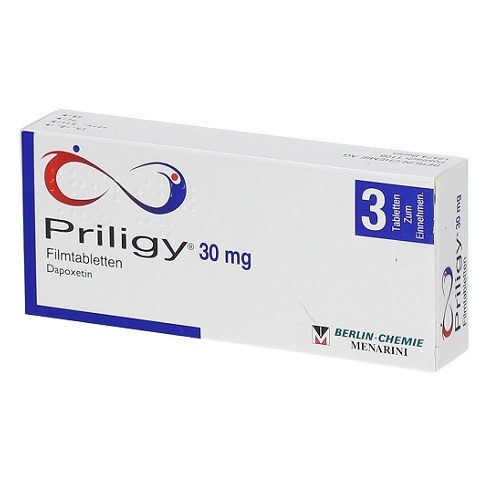
- Original Priligy packaging: Features sealed blister packs, clear branding (Menarini), and batch/tracking numbers. The film-coated tablets are light grey and oval, with the dosage (30 or 60) engraved on one side.
- Security elements: Authentic packs may feature QR codes or holograms for GPhC verification.
- Counterfeit warning signs: Misspelt labels, faded printing, unusual tablet colour/shape, or lack of a patient leaflet.
- Generics: Since the patent for dapoxetine has expired, UK-licensed generics may be available. These must meet the same safety and efficacy standards as the branded product. Generics contain the same active ingredient but may differ in excipients (inactive ingredients), affecting tolerability in people with allergies.
- Price differences: Generics are usually less expensive (£3–£7 per dose) and are legal if supplied by a UK-registered pharmacy.
Tip: Always inspect packaging before use and purchase only from regulated sources. If in doubt, have your local pharmacist verify the product.
Remember: You’re Not Alone—The Psychological Side
Premature ejaculation is a common and treatable issue, affecting up to one in three men at some point. Many cases have psychological as well as physical factors. It can help to discuss your concerns with your partner or seek support from a qualified counsellor or psychosexual therapist—these options are widely available in the UK and can significantly improve overall outcomes.
What to Do in Case of Priligy Overdose
- Stop taking Priligy immediately.
- Call NHS 111 or, if severe symptoms (fainting, difficulty breathing, seizures) occur, call 999 for emergency services.
- Tell the medical team exactly how much Priligy you have taken and when.
- Take any remaining medication and packaging to the hospital for identification.
- Do not try to induce vomiting unless instructed by medical personnel.
Questions Patients Often Ask Doctors About Priligy
- How will I know if Priligy is working for me?
- We typically look for a noticeable increase in the time to ejaculation and improved control during sexual activity. It’s important to assess not only the duration but also improvements in distress and satisfaction. Feedback from both you and your partner is useful.
- Can I take Priligy if I have mild depression or anxiety?
- This requires a careful assessment. While Priligy is related to antidepressants, it is not intended to treat mood disorders and could worsen them or cause interactions with other psychiatric medications. Always disclose your mental health history before starting.
- Is it safe to use Priligy with my regular blood pressure medication?
- Most antihypertensives are compatible, but some medications, especially those affecting heart rhythm or blood pressure, may interact. I will check your medicines for interactions before prescribing.
- How often can I safely use Priligy?
- No more than once in 24 hours and only on days when sexual activity is anticipated. Overuse can raise your risk of serious side effects.
- What should I do if I feel faint after taking Priligy?
- Sit or lie down immediately, preferably with your head lower than your heart. If you actually lose consciousness, inform your doctor as soon as possible and avoid further use until assessed.
- Does Priligy need to be taken for life?
- Not necessarily. Many men use Priligy intermittently, and others benefit from psychological or behavioural interventions that may eventually reduce their need for medication.
Clinical Assessment by doctor: Who Benefits Most from Priligy?
From a clinical perspective, Priligy is most beneficial for men aged 18 to 64 who have a consistent pattern of premature ejaculation (ejaculation within one to two minutes of penetration) that causes significant personal or relationship distress. It is especially suitable for those who have tried non-pharmacological approaches (such as behavioural therapy or “pause and squeeze” techniques) without sufficient improvement, or who prefer a medication taken as needed rather than daily. Priligy may not be ideal for men with significant heart conditions, uncontrolled hypertension, severe liver or kidney disease, or those using interacting medications. It is not recommended for men over 65 due to limited safety data and increased risk of adverse events.
For some, alternatives like daily SSRIs or topical anaesthetics may be preferable due to cost, side effect profiles, or response to treatment. Reassessment is important if Priligy does not yield improvement after several properly timed attempts or if intolerable side effects occur. Ultimately, treatment must be individualised, considering both medical and psychological factors, and regular follow-up is key to optimising outcomes.
FAQ: Quick Answers About Priligy in the UK
- Is Priligy available without a prescription in the UK?
- No. Priligy is a prescription-only medicine in the UK. A doctor’s assessment is required to obtain it legally.
- How quickly does Priligy start working?
- Most men feel the effects within 1–2 hours after taking a dose. It should be taken 1 to 3 hours before sexual activity.
- Can I use Priligy every day?
- No, daily use is not recommended. Take only one tablet per day, as needed.
- What are the most common side effects?
- Nausea, headache, dizziness, and fatigue are most often reported. These usually resolve within a few hours.
- Are there generic versions of Priligy?
- Yes, licensed dapoxetine generics are available in the UK. They are as effective and safe as the original brand if purchased from a registered pharmacy.
- Can I drink alcohol with Priligy?
- It’s best to avoid alcohol when using Priligy as it increases the risk of serious side effects like fainting.
- How much does Priligy cost in the UK?
- Prices vary, but typically range from £6 to £15 per tablet for the branded version, and £3 to £7 for generics when purchased from a licensed pharmacy.
- Can I get Priligy through a telemedicine service in the UK?
- Yes, several NHS-approved telehealth platforms offer consultations and can issue prescriptions for Priligy, which are then fulfilled by licensed UK pharmacies.
- What should I do if Priligy does not improve my symptoms?
- Contact your doctor for reassessment. Alternative treatments or therapy may be recommended.
References
- EMA. “Priligy – Summary of Product Characteristics.” European Medicines Agency (accessed 2026). https://www.ema.europa.eu/en/medicines/human/EPAR/priligy
- NHS. “Premature ejaculation.” National Health Service (accessed 2026). https://www.nhs.uk/conditions/premature-ejaculation/
- British Association for Sexual Health and HIV (BASHH). “Premature Ejaculation Guidelines” (2025 update). https://www.bashh.org/
- PubMed. “Efficacy and safety of dapoxetine in the treatment of premature ejaculation: a systematic review and meta-analysis.” (2024). https://pubmed.ncbi.nlm.nih.gov/
- GPhC. “Online Pharmacy Registration.” General Pharmaceutical Council. https://www.pharmacyregulation.org/registers/pharmacy